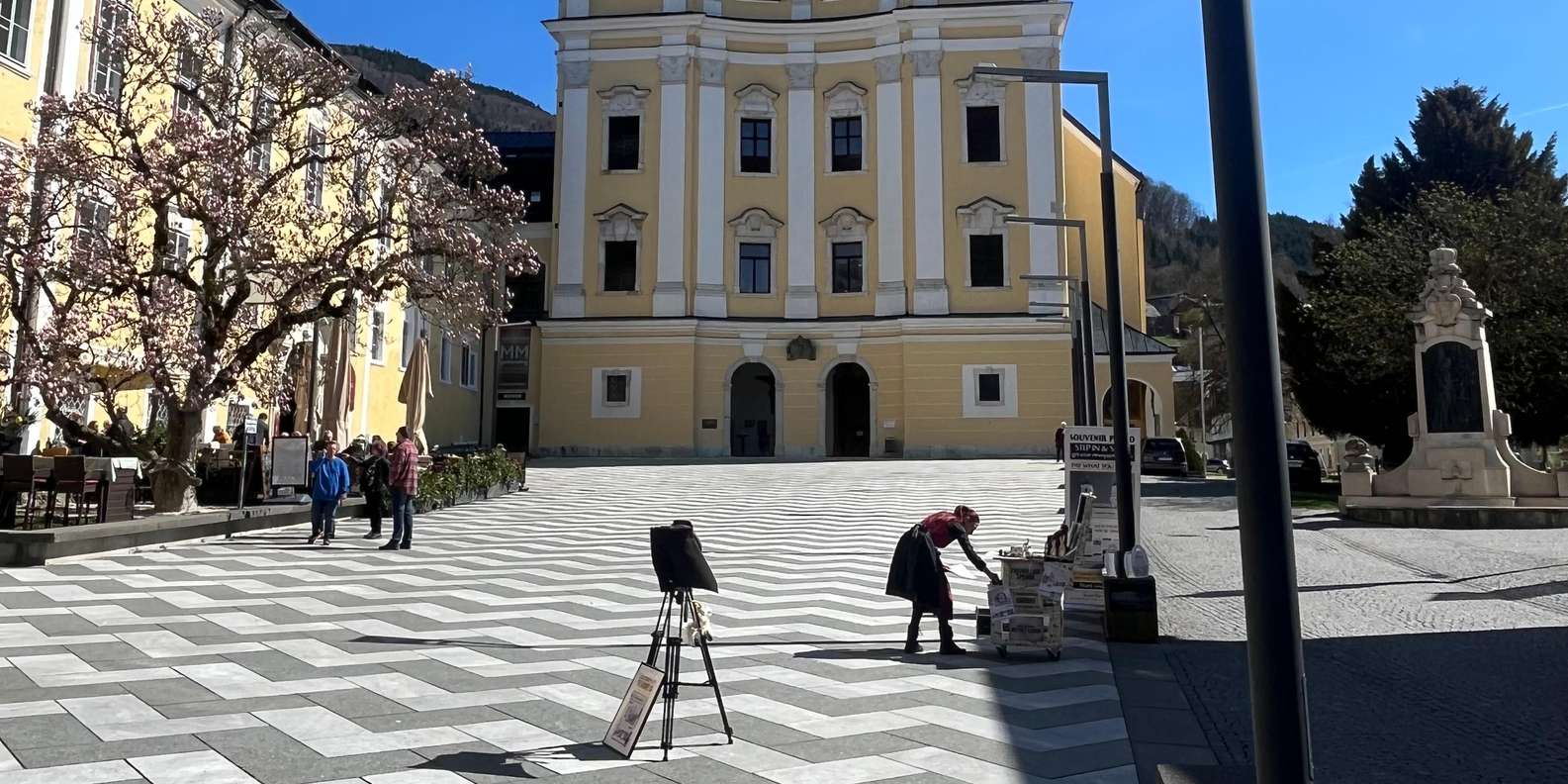
When The Sound of Music reached cinemas in 1965, directed by Robert Wise, it did something unusual for a Hollywood musical: it filmed on location in a real city. Salzburg was not a soundstage approximation of Austria — it was the backdrop, and six decades later you can still stand on the exact terraces, gardens, and squares the camera framed. That is what a guided tour of the filming locations actually offers: not nostalgia in the abstract, but the specific, walkable geography of the songs. If you want to lock in a seat first, you can check availability and read on for what you’ll see.
The locations the camera loved
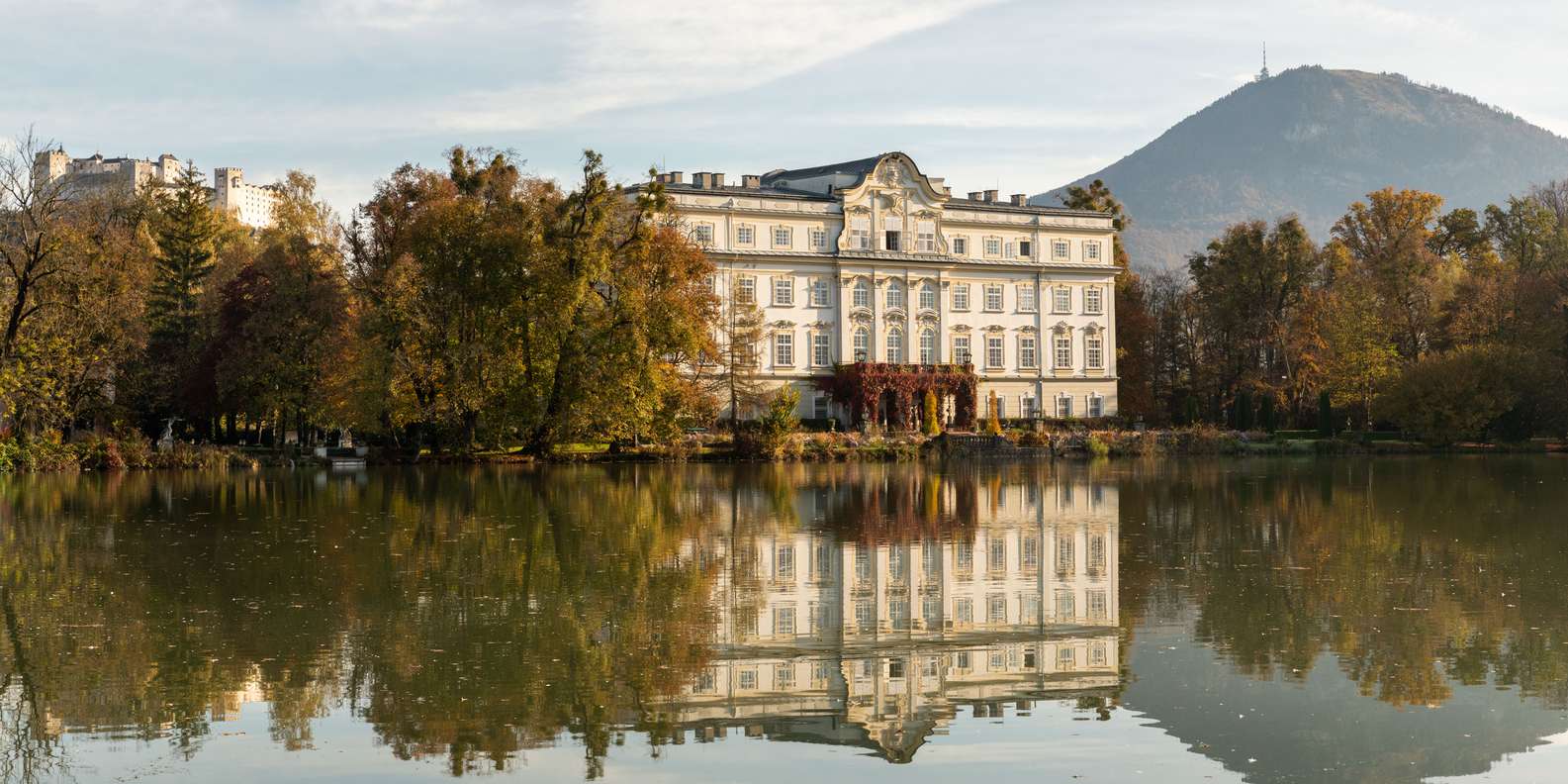
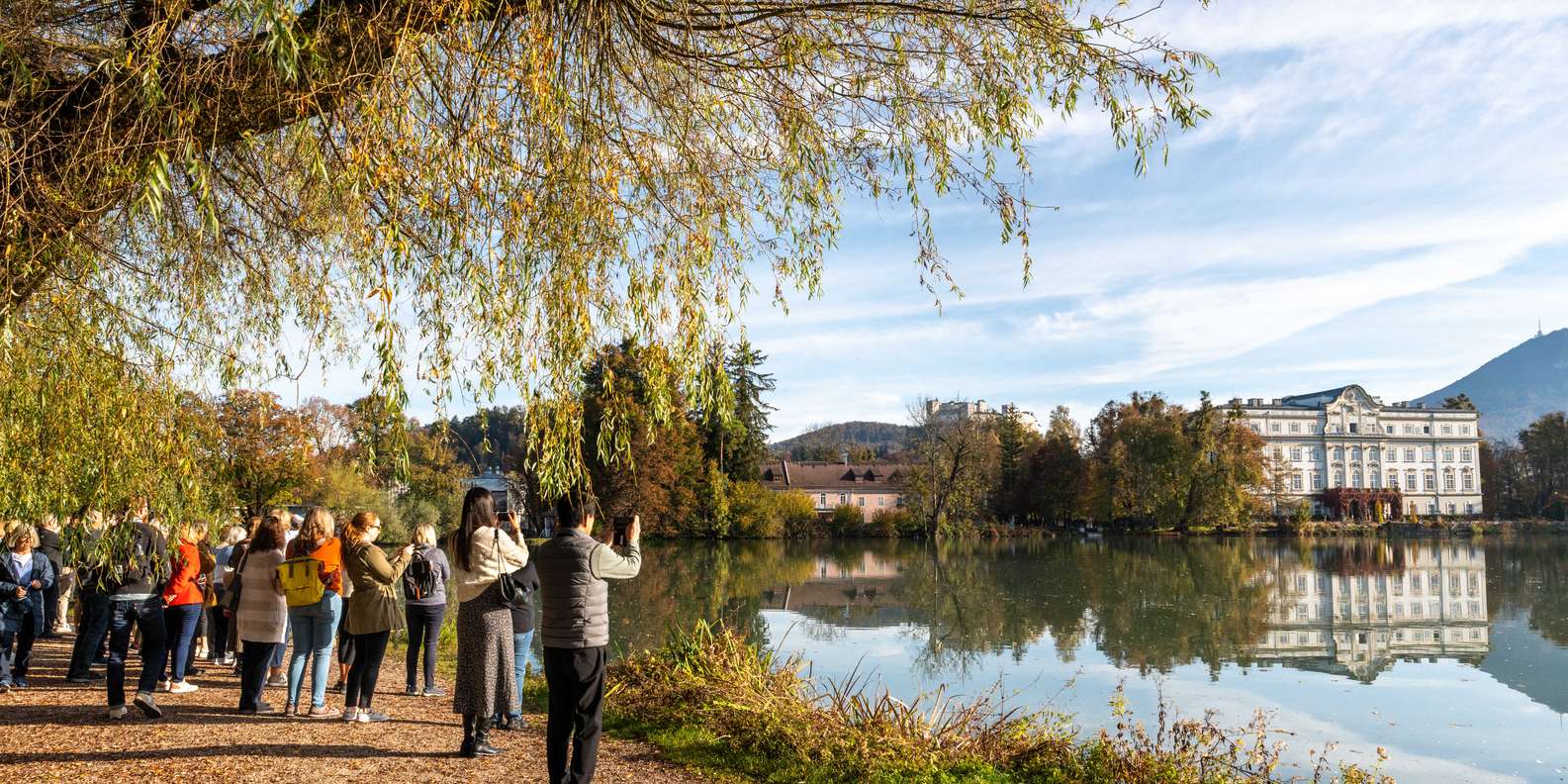
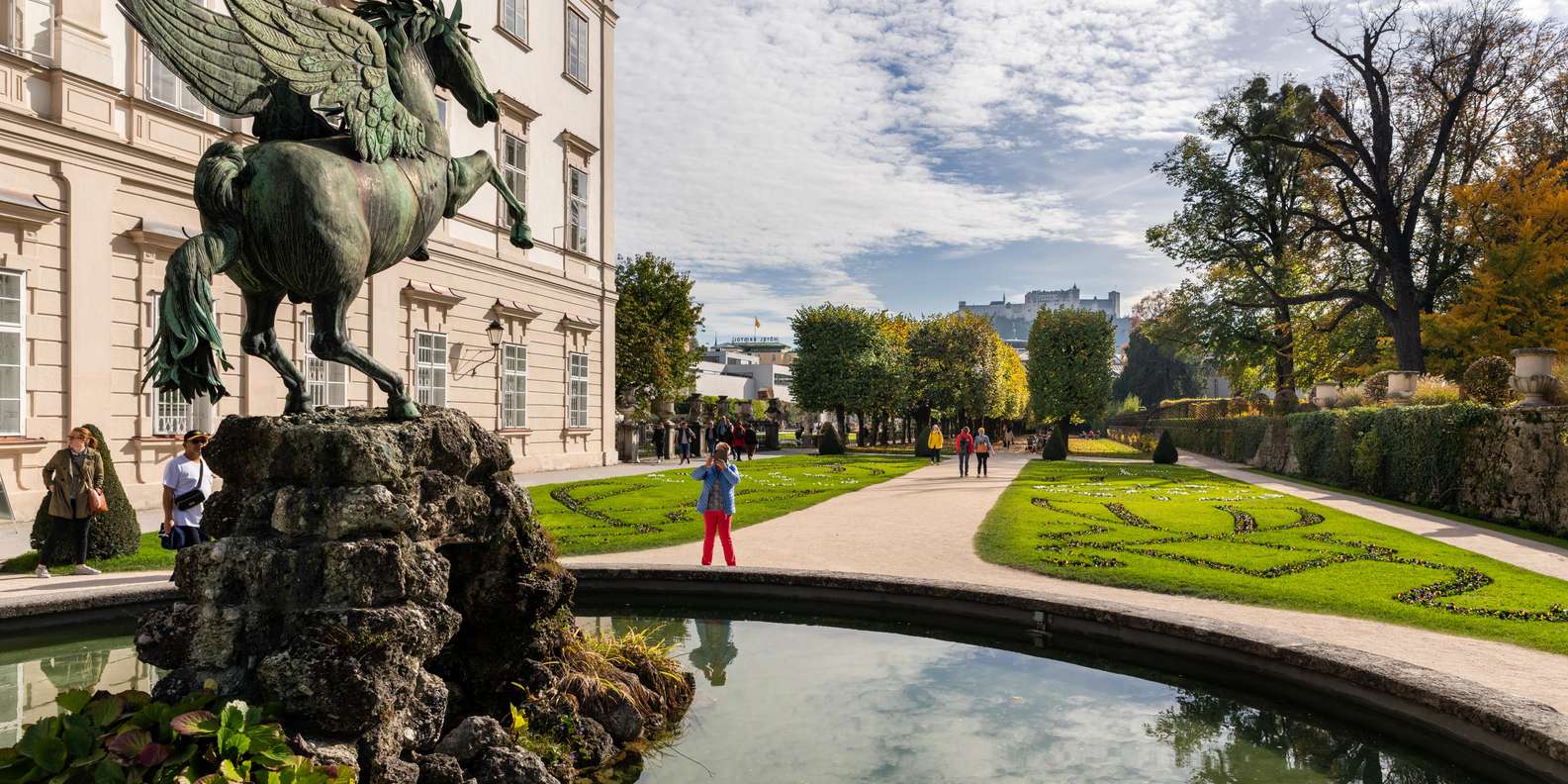
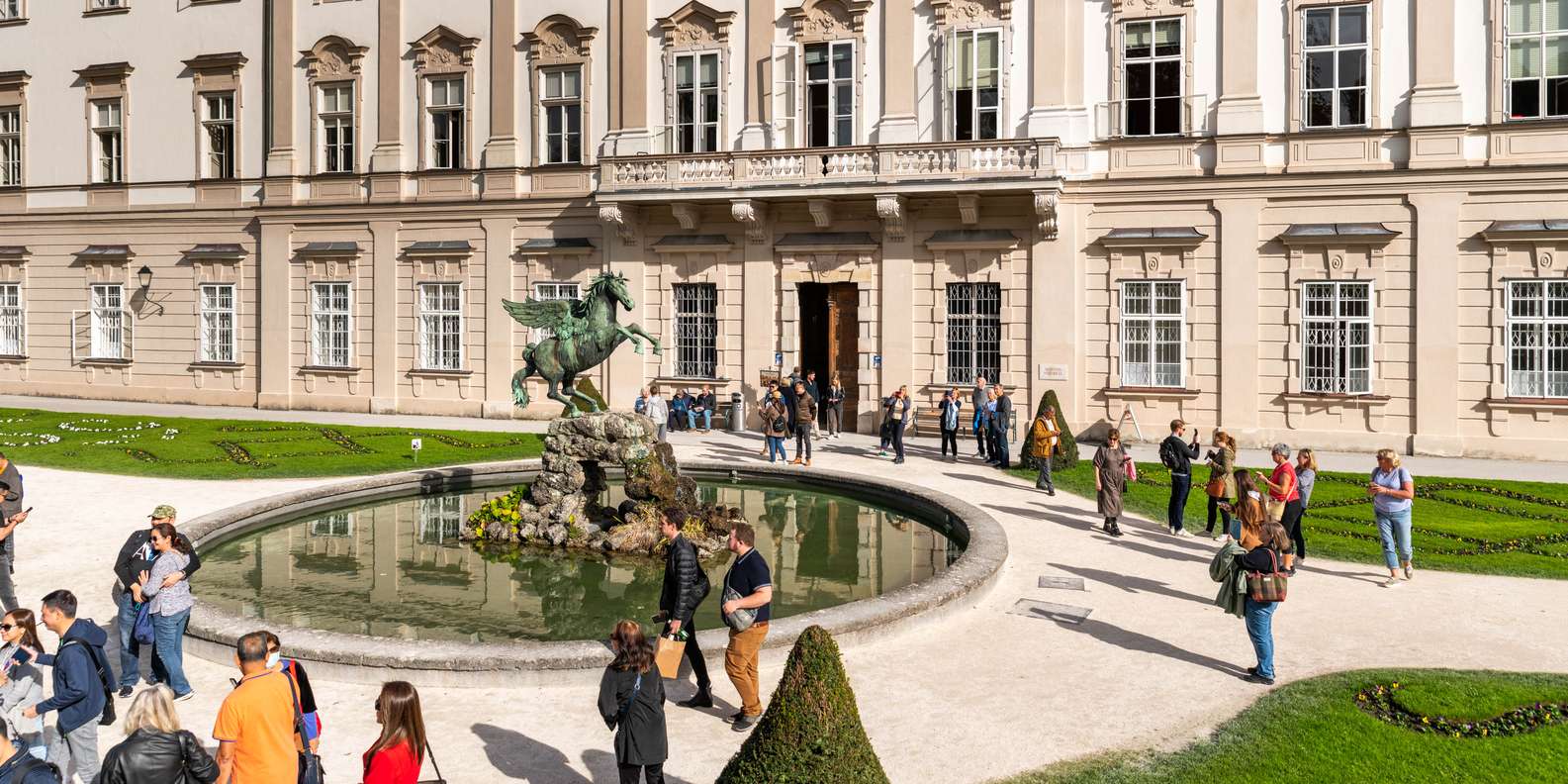
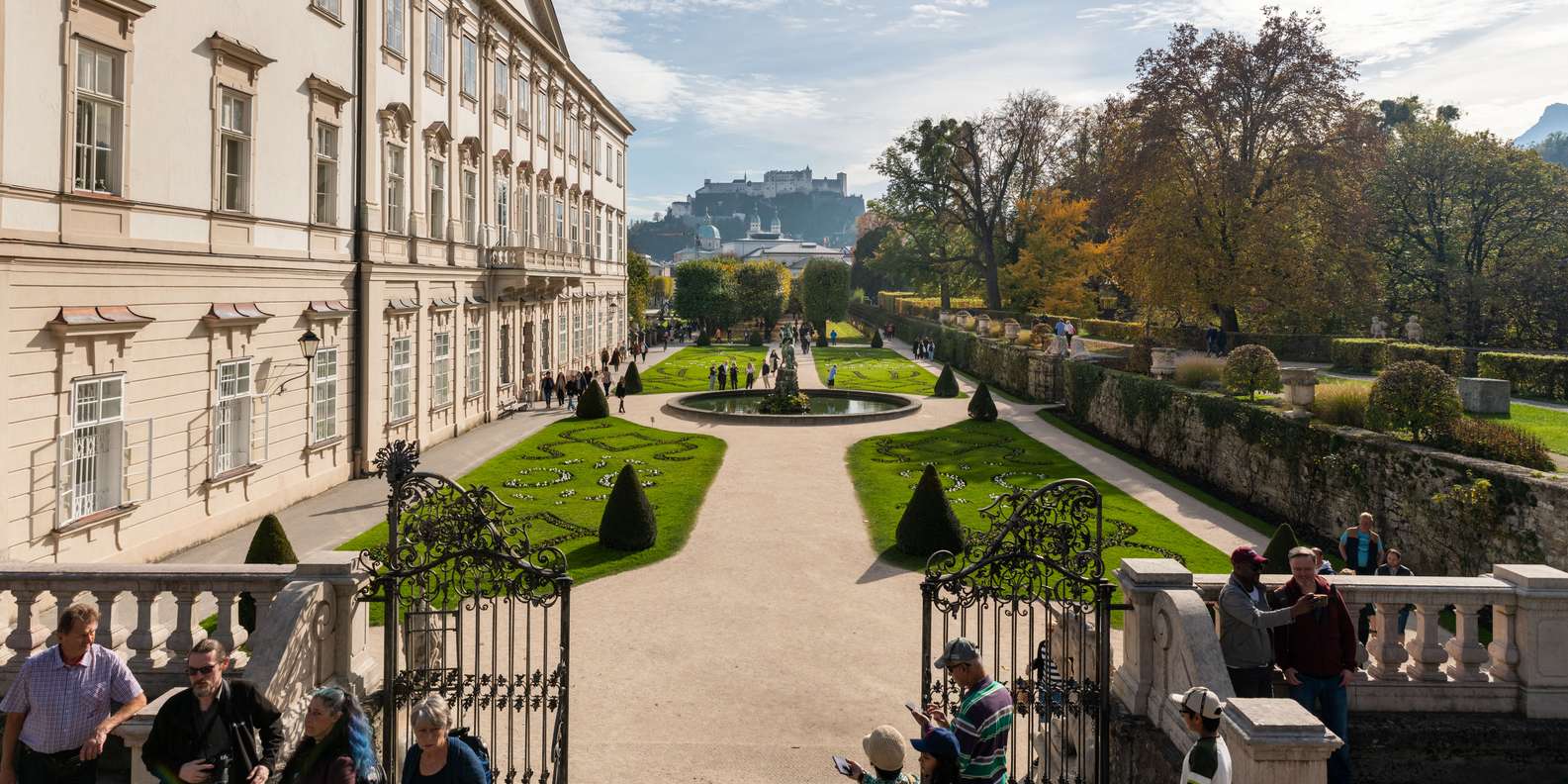
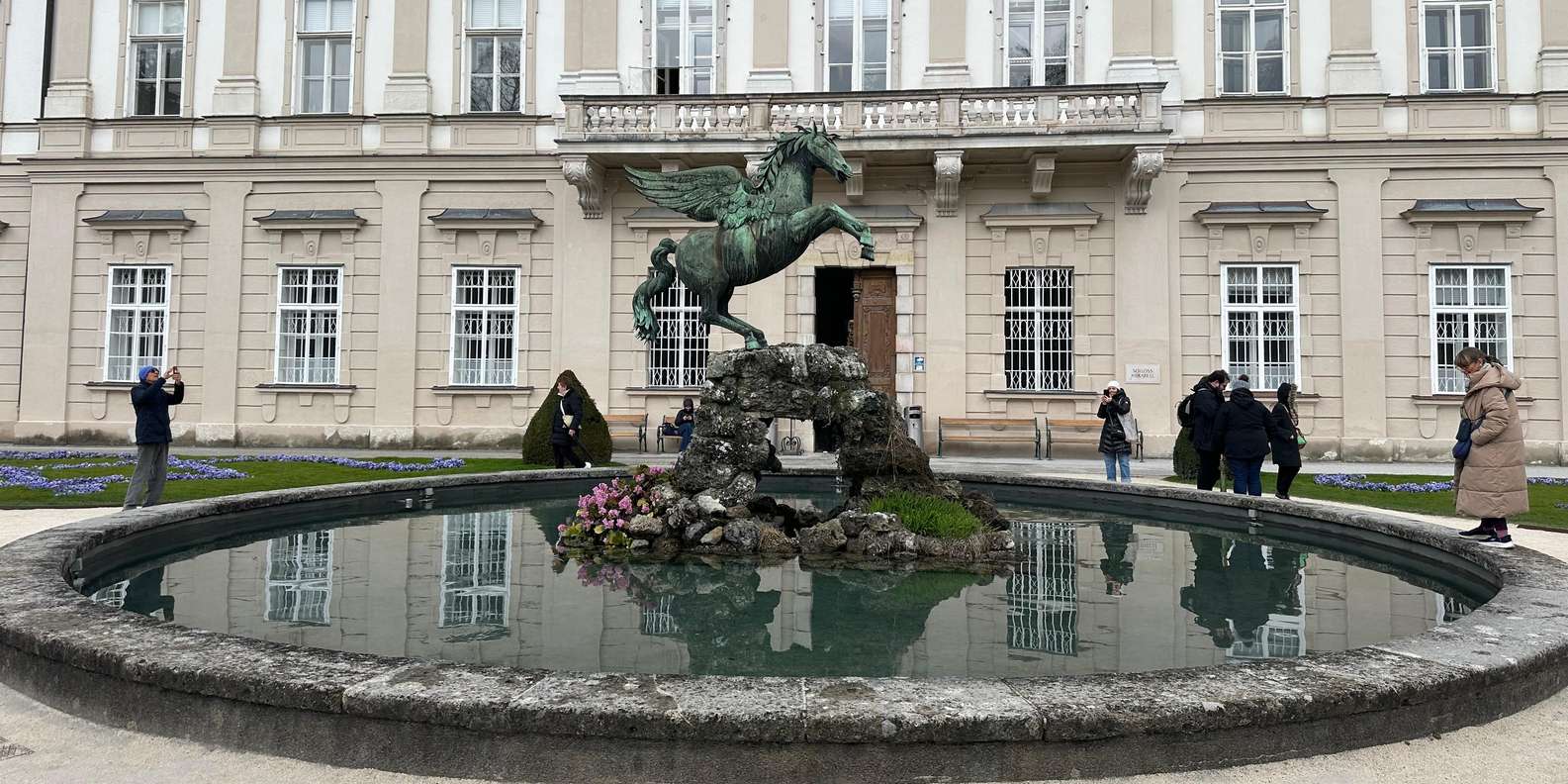
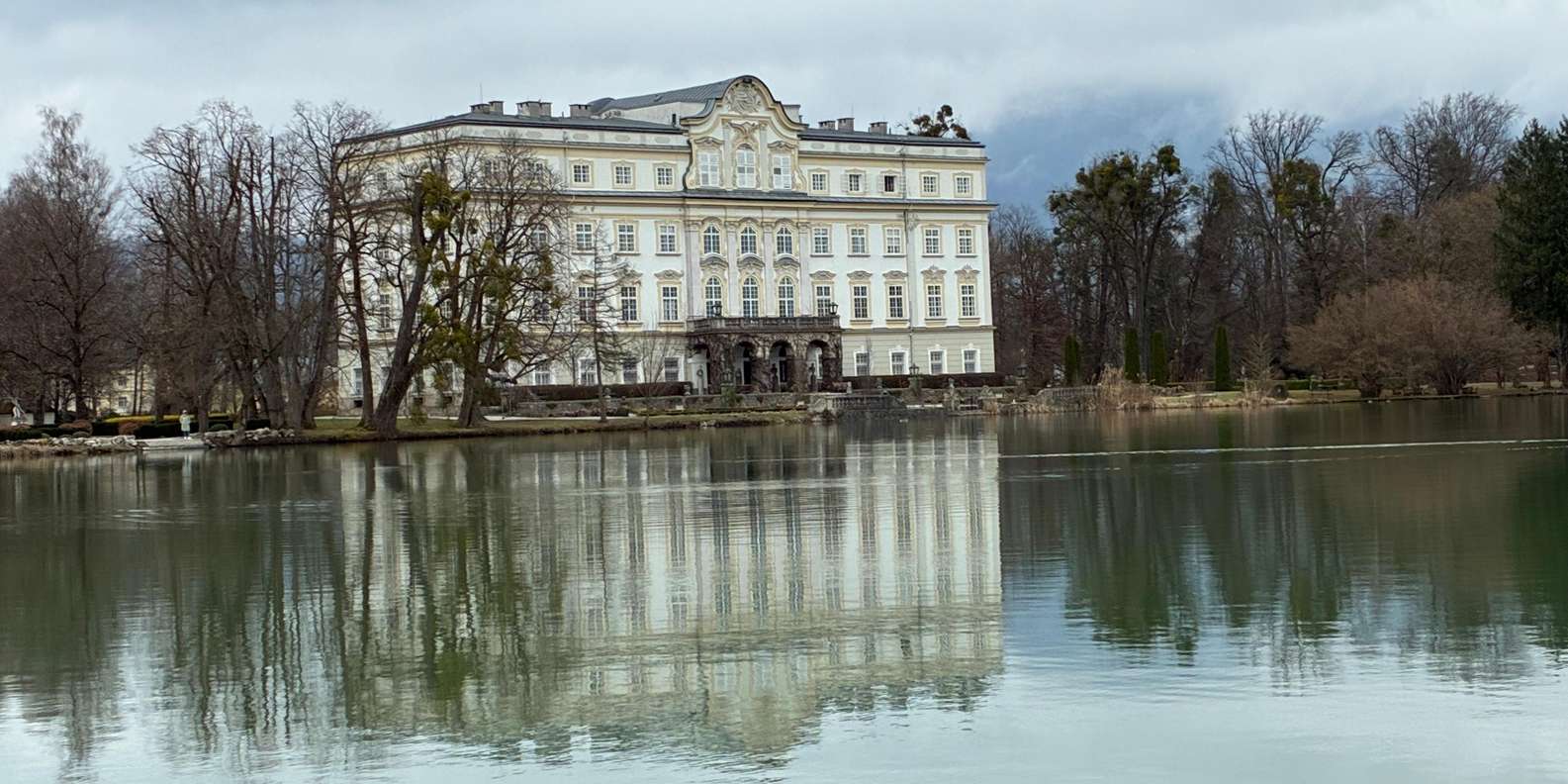
The most recognisable stop is the Mirabell Gardens, where the “Do-Re-Mi” finale plays out across the formal parterre. The children dance around the Pegasus Fountain and skip up the stone steps at the garden’s edge — both still there, still free to visit, and still mobbed each morning by visitors humming the scale. From there the geography spreads outward. Leopoldskron Palace, on its own lake just south of the centre, supplied the lakeside facade and terrace of the von Trapp family home, including the scene where the rowing boat capsizes. (A film-buff footnote worth knowing: the front of the villa, where Maria first arrives, was a different building — Schloss Frohnburg — so the “house” on screen is really two palaces stitched together.)
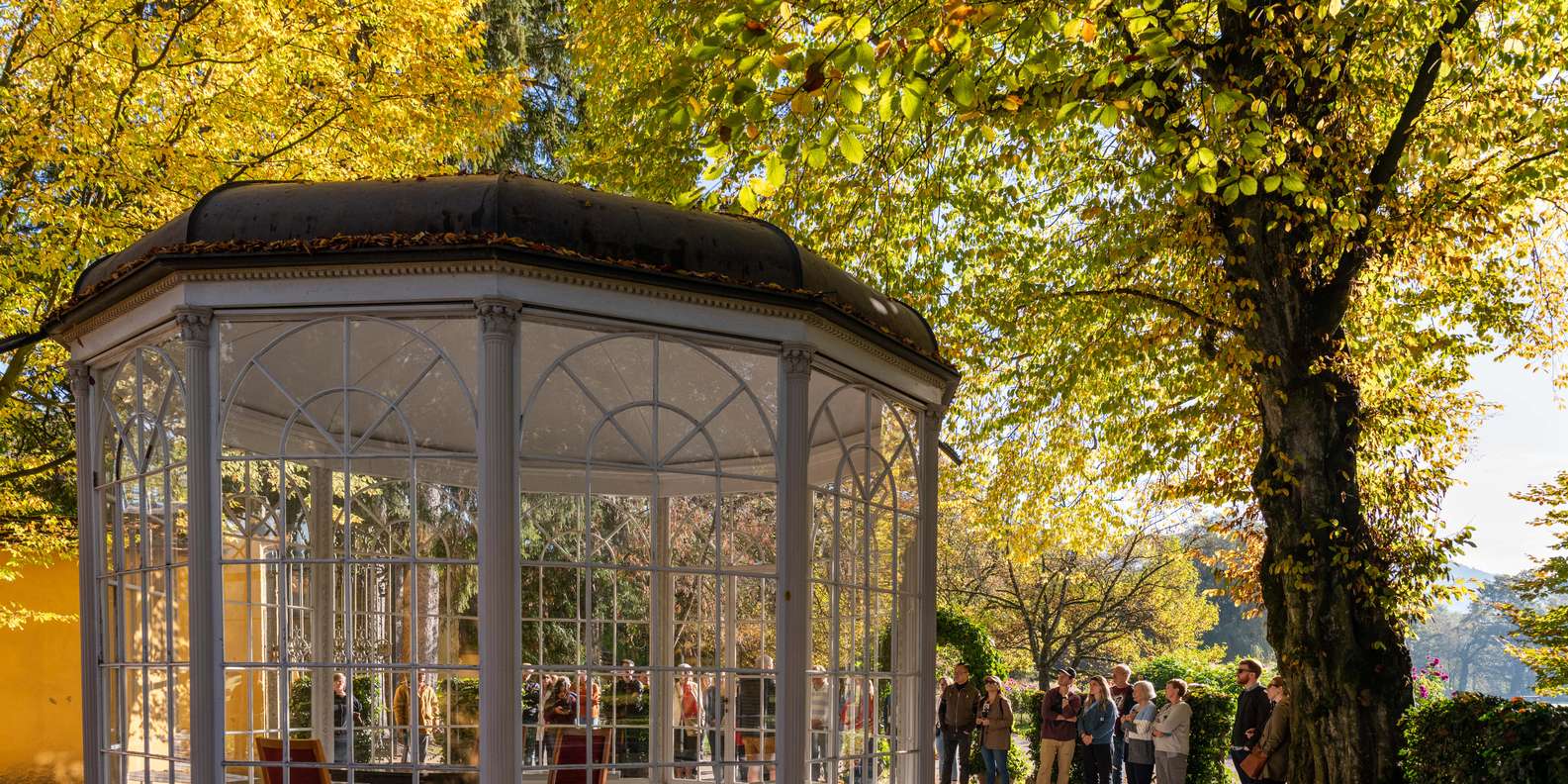
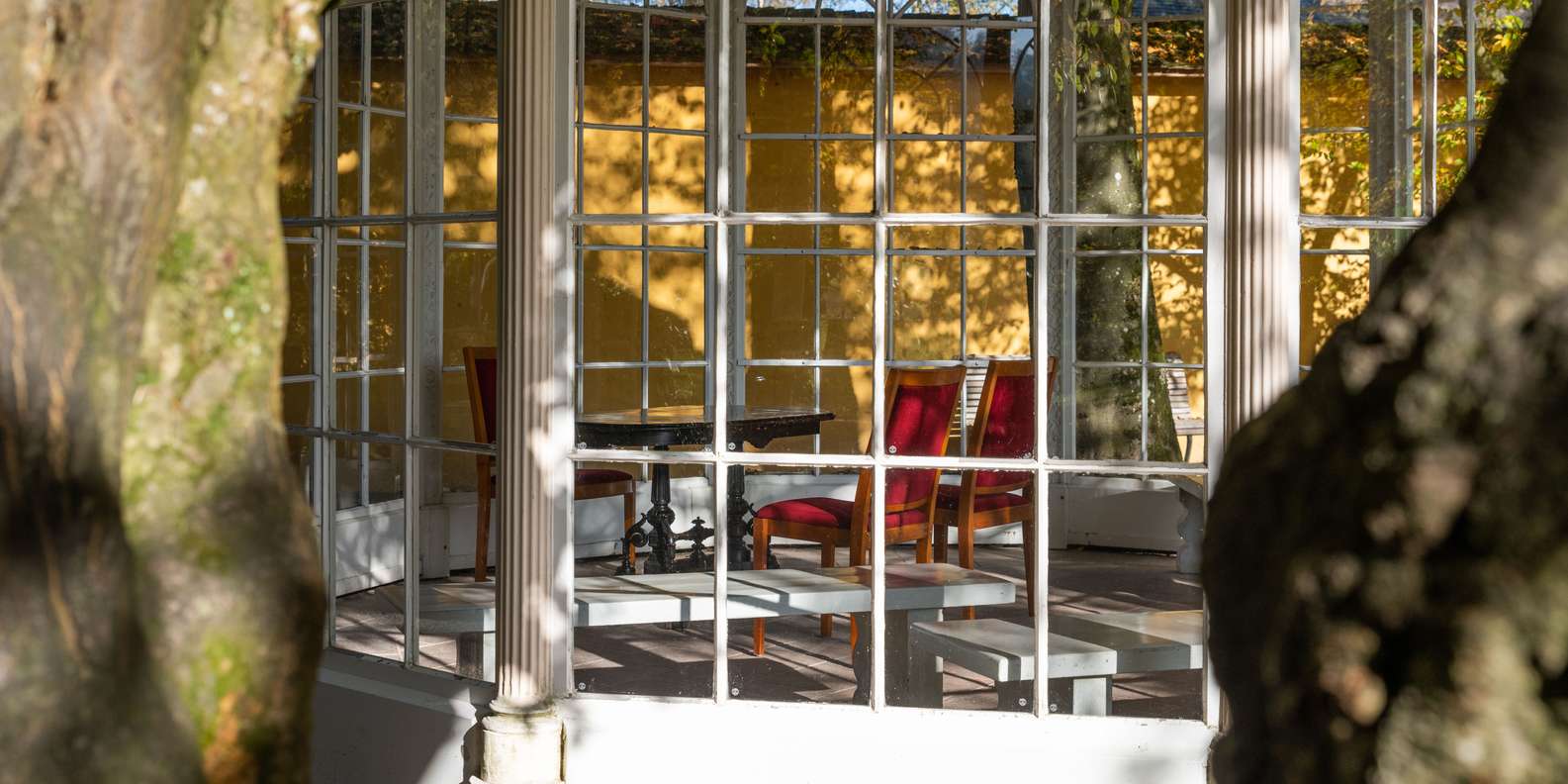
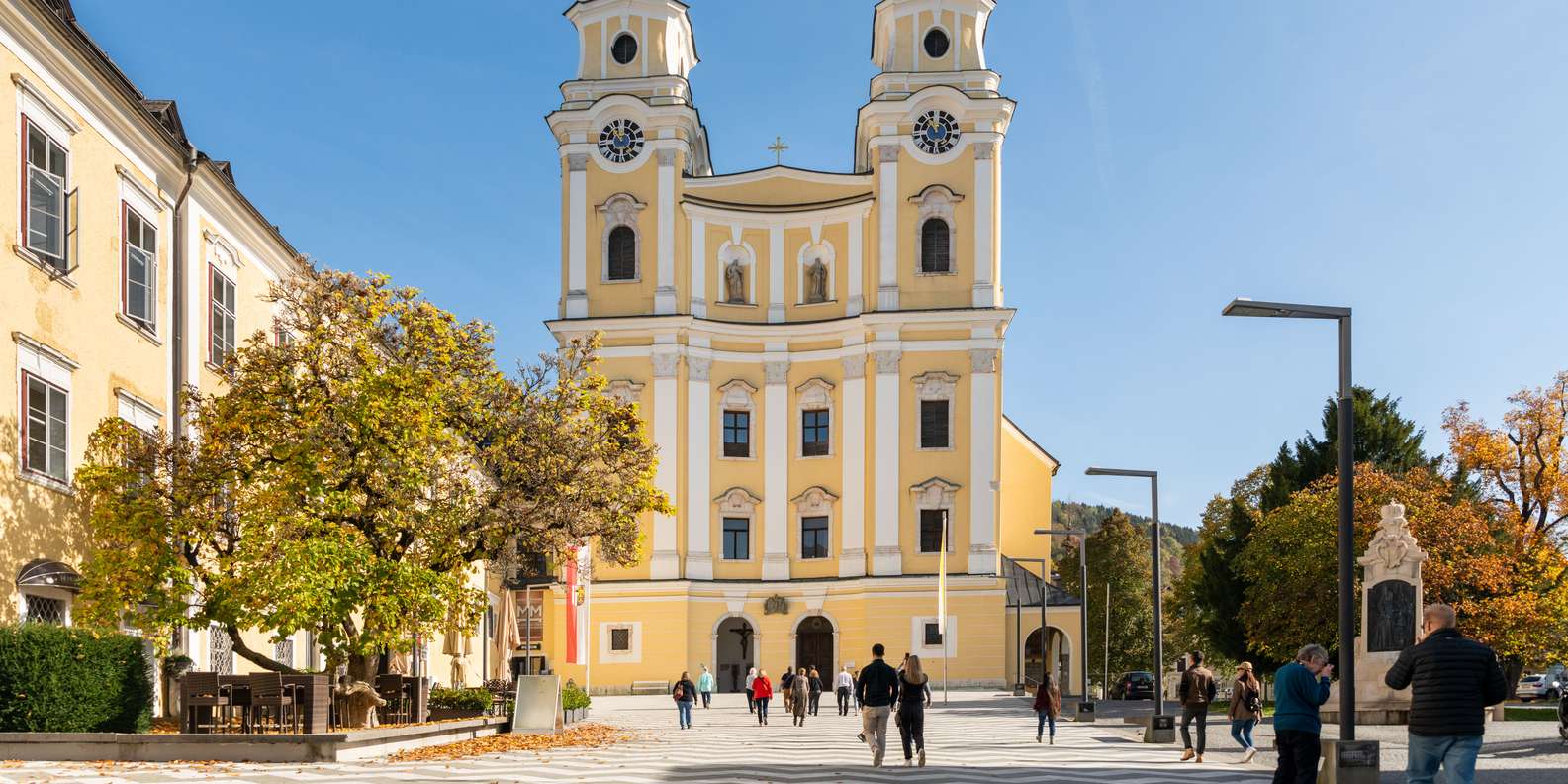
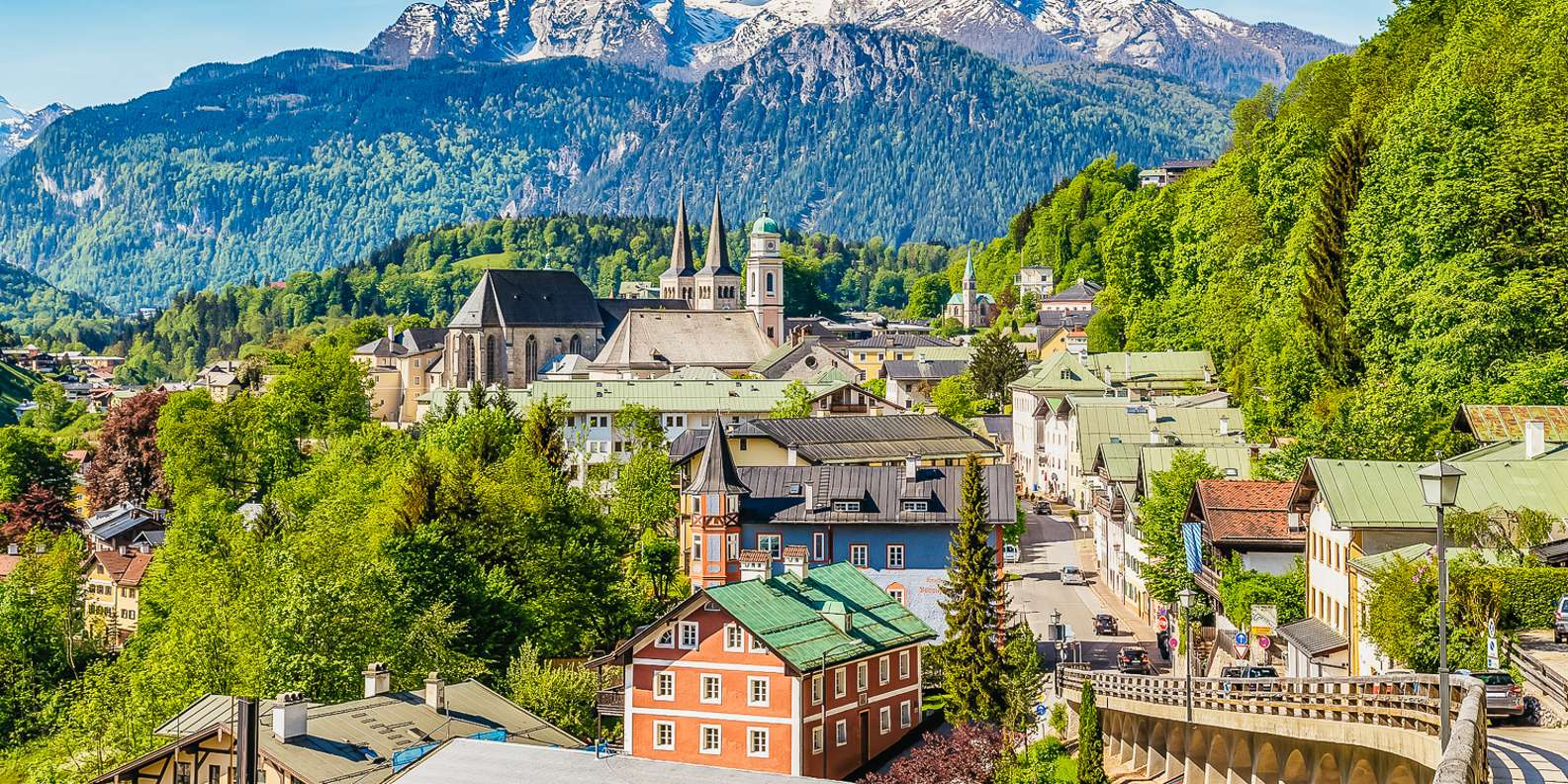
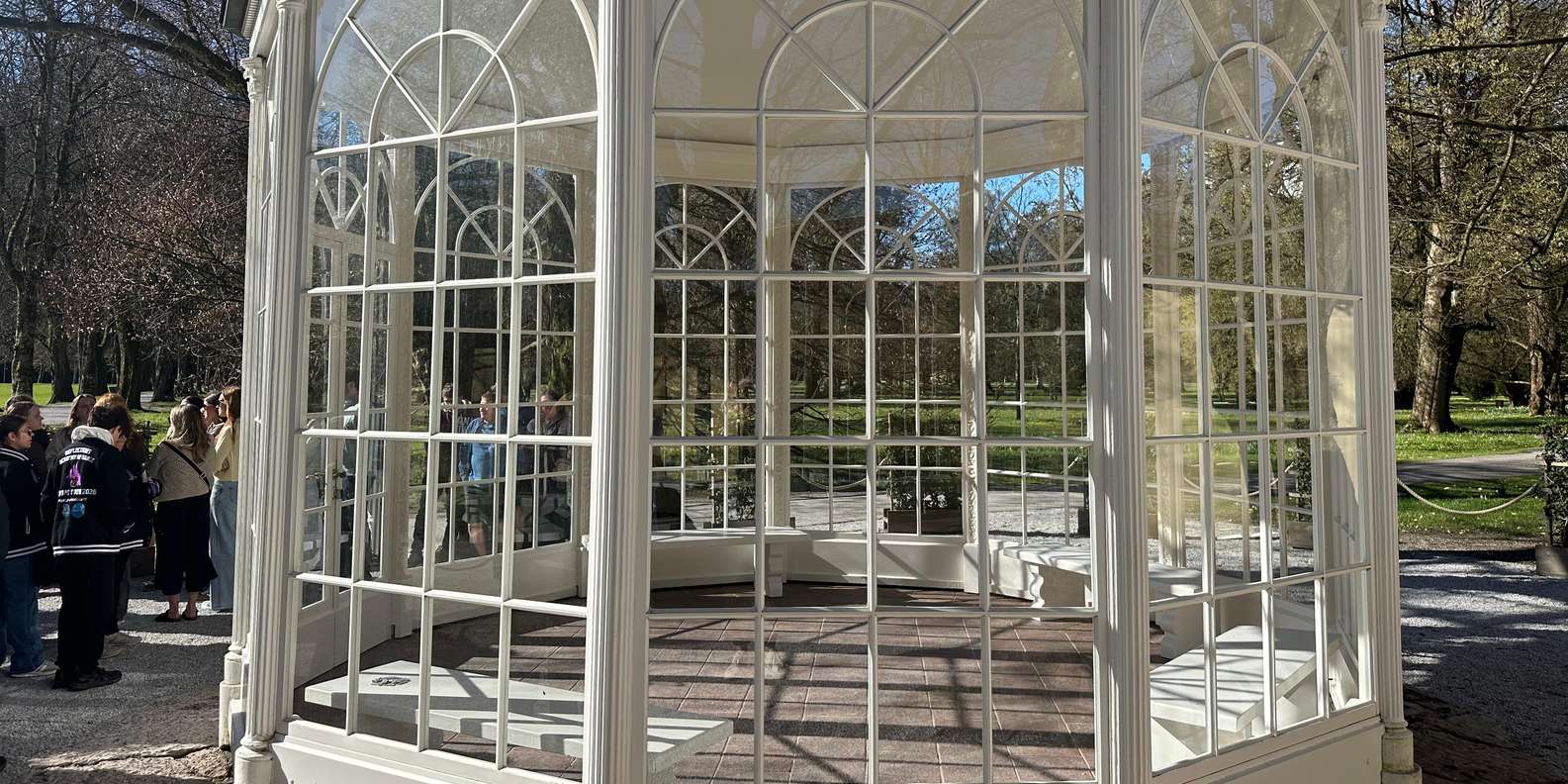
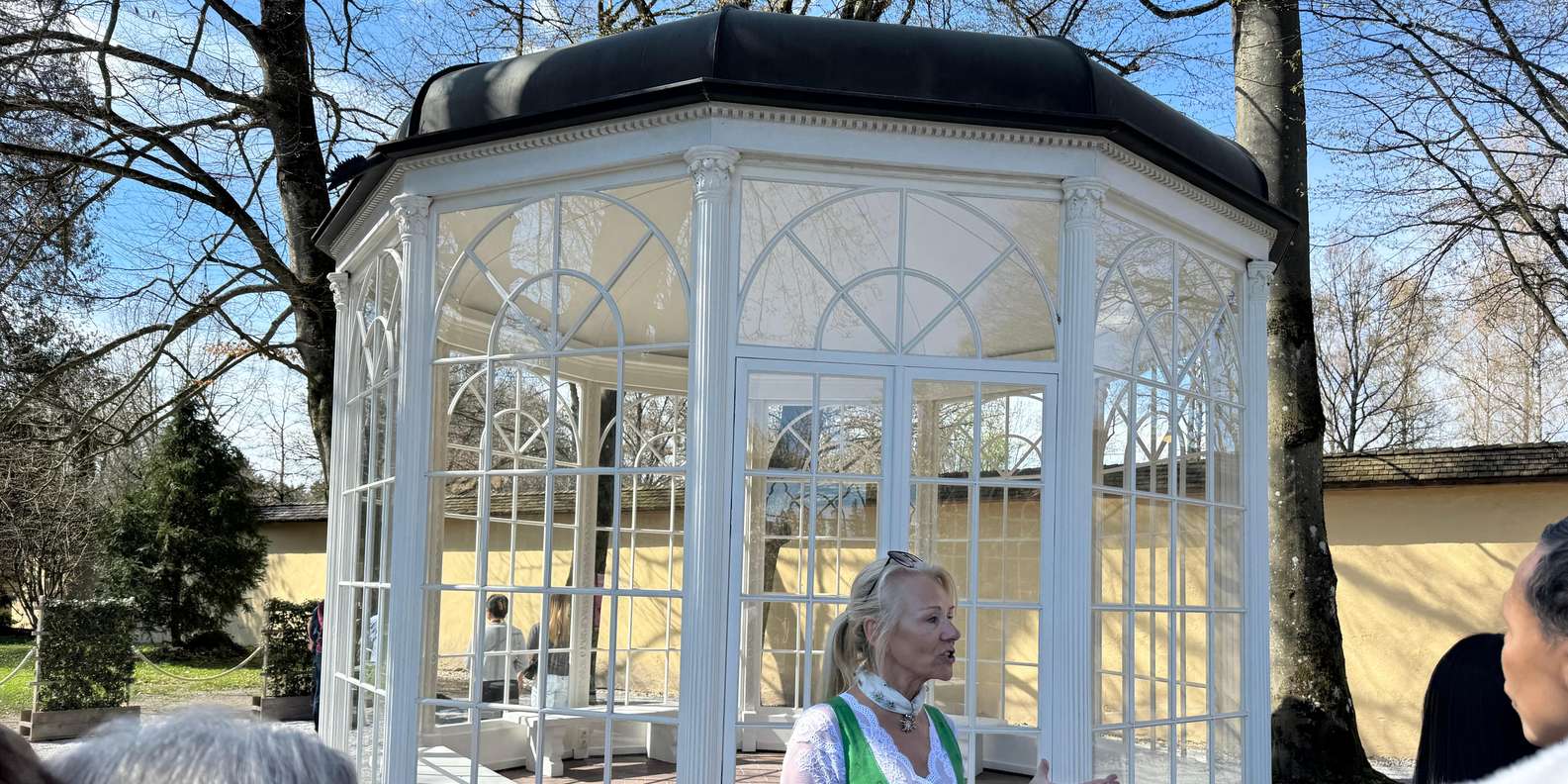
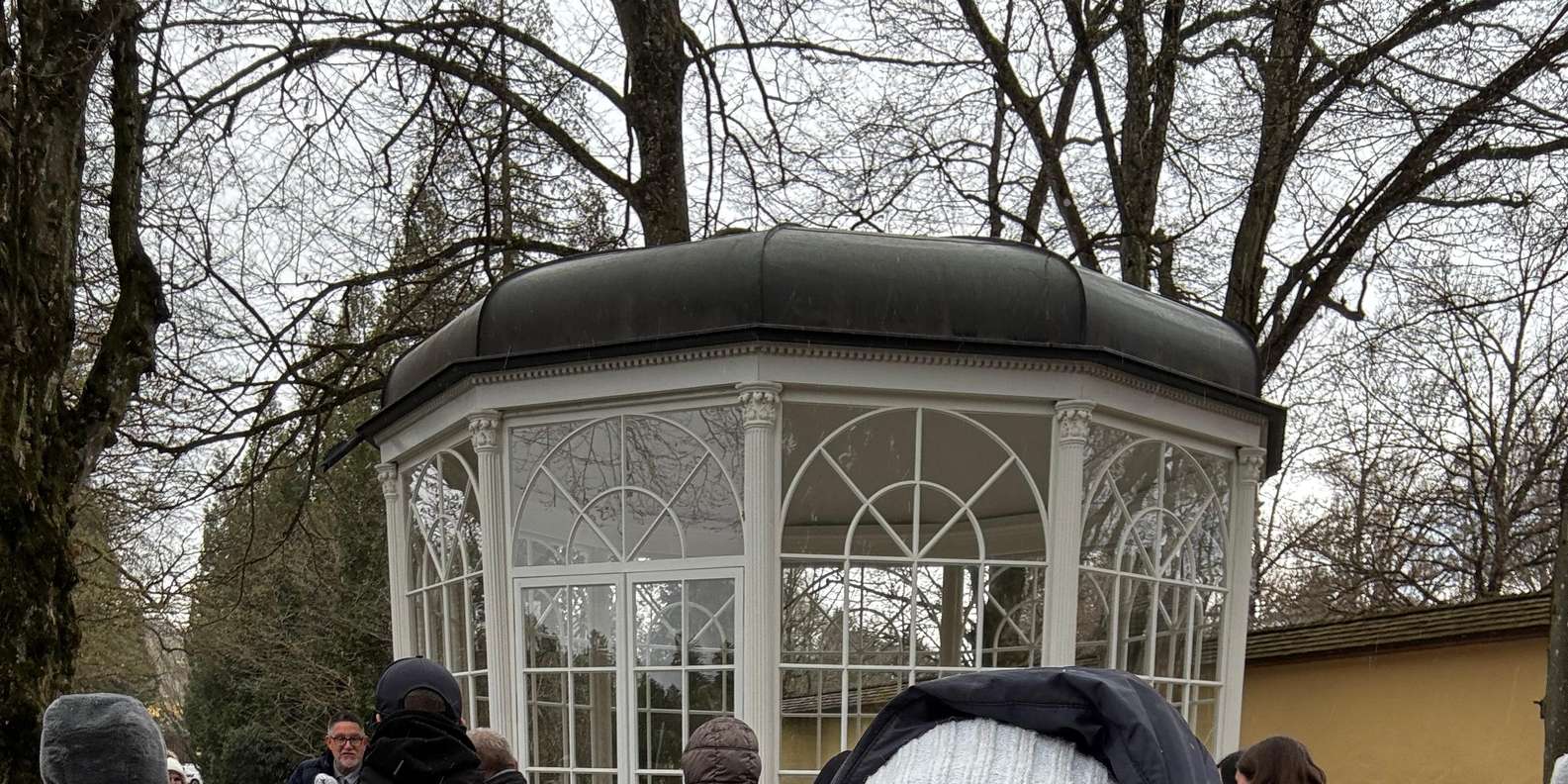
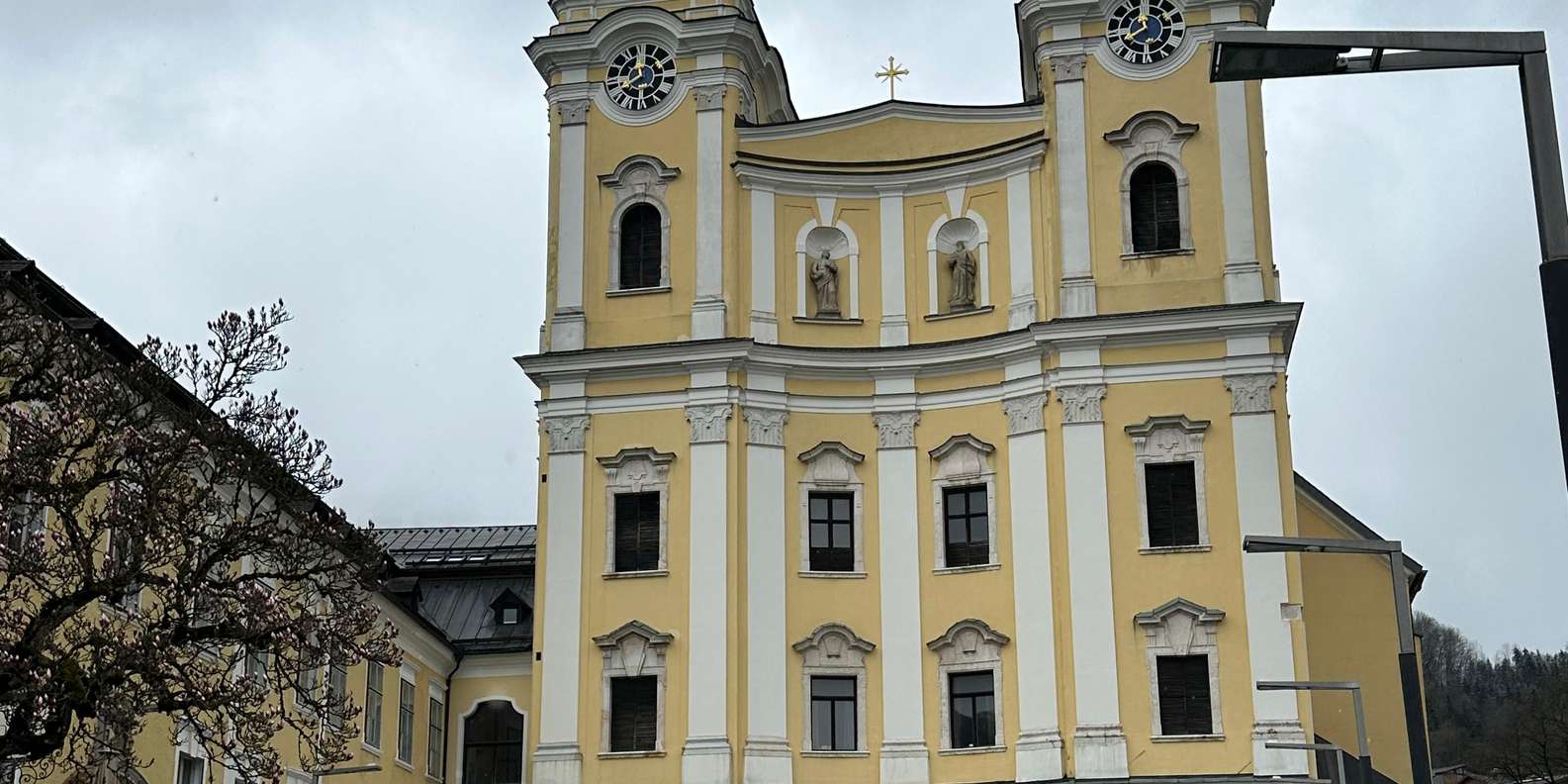
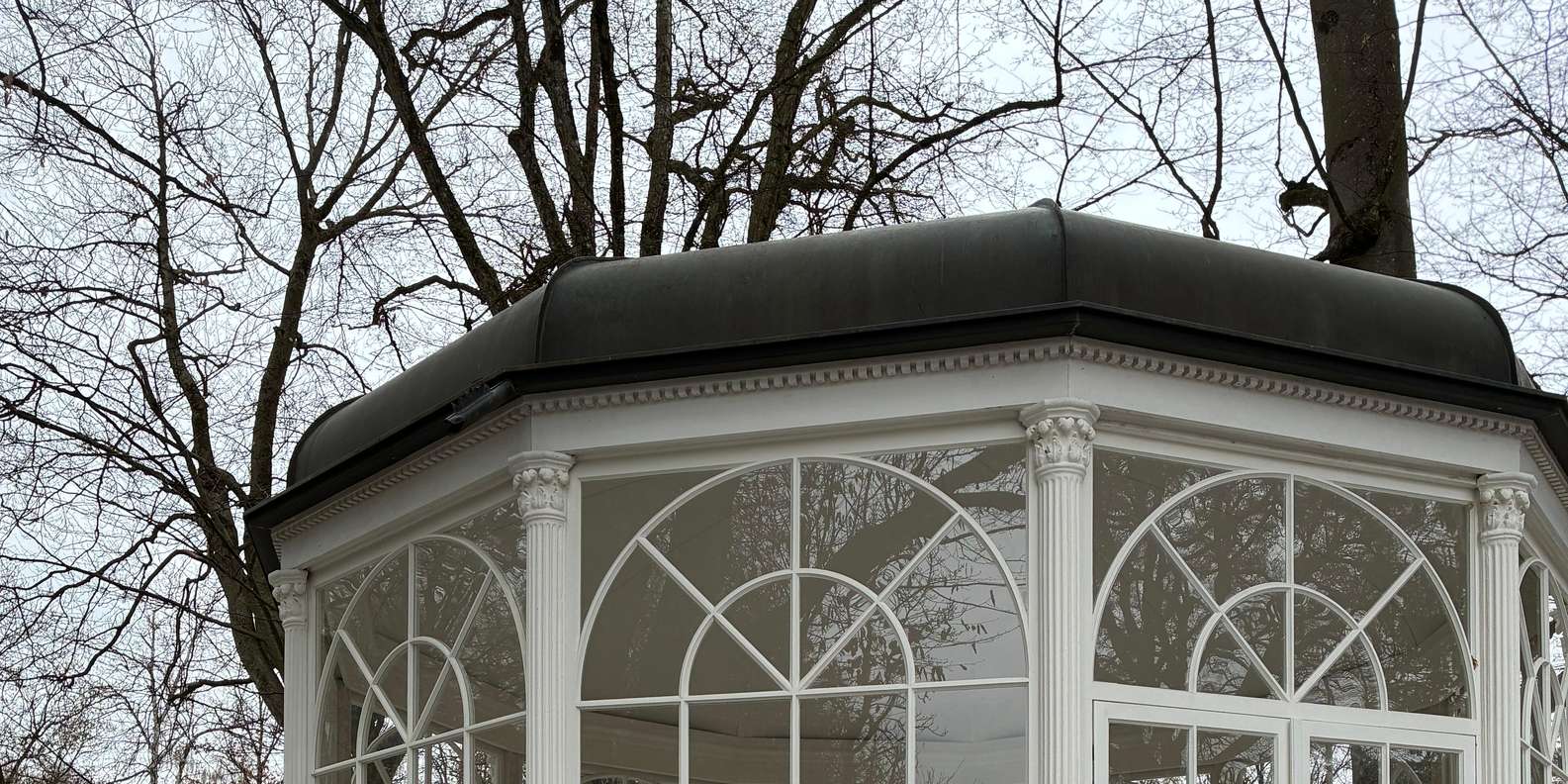
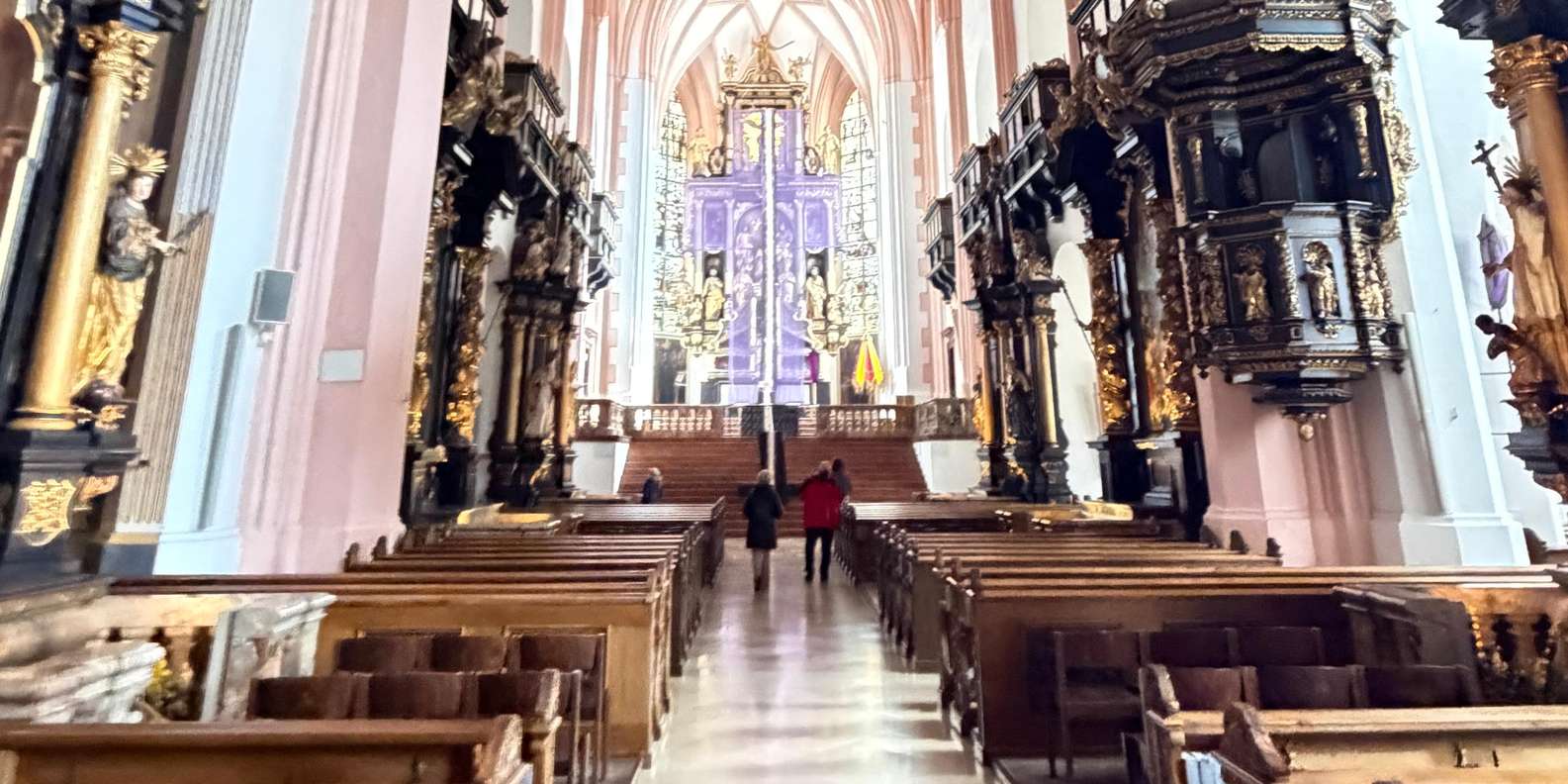
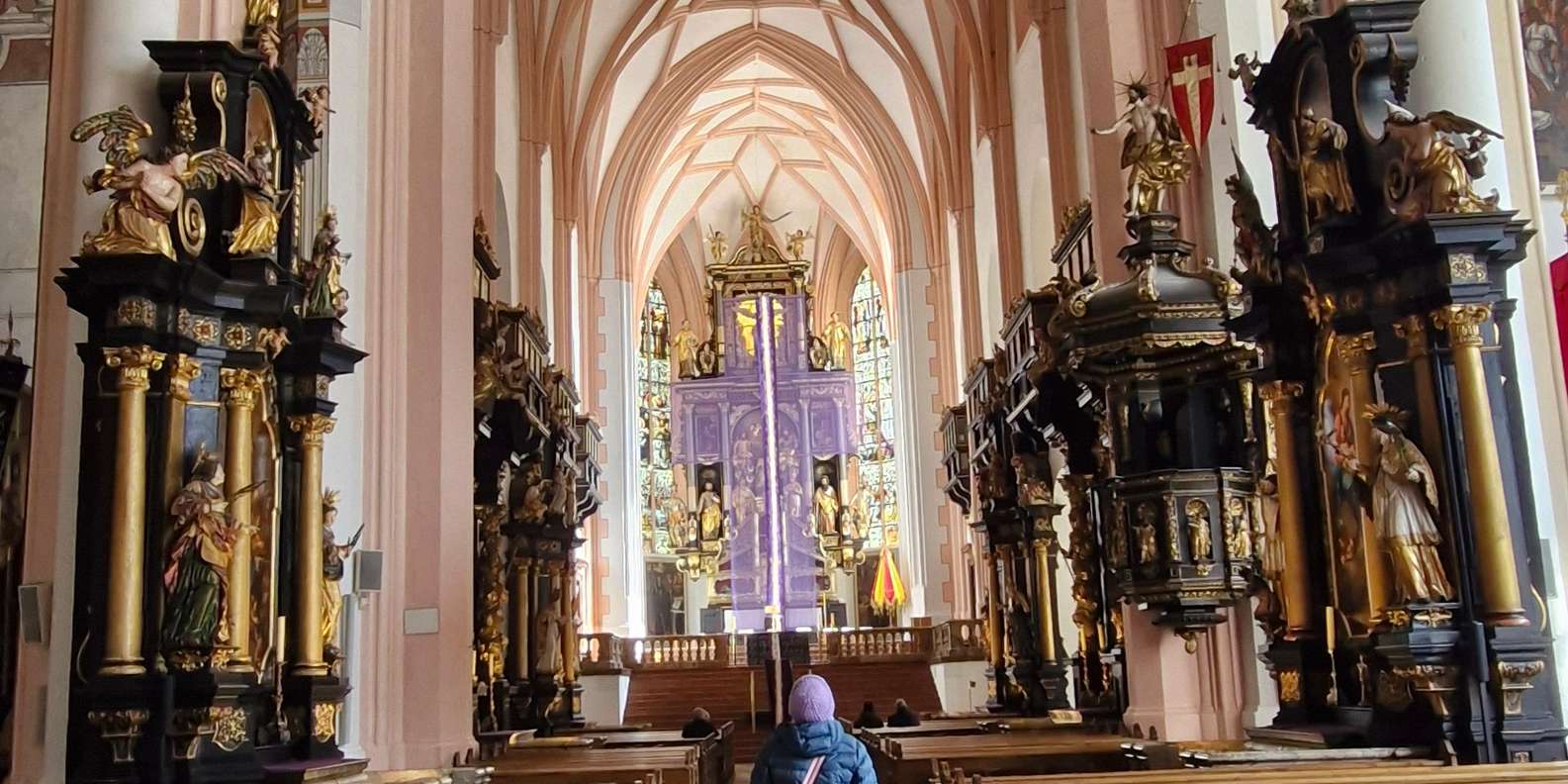
The glass-and-iron pavilion from “Sixteen Going on Seventeen” is the Hellbrunn gazebo. It originally stood at Leopoldskron during filming and was later moved to the grounds of Hellbrunn Palace so the public could visit it more easily; today it sits in a corner of the park and is kept locked, but you can walk right up to it. For the wedding, the production left the city entirely and drove out to the Basilica St. Michael in Mondsee, a lake town about half an hour east — its twin yellow towers stand in for the church where Maria and Georg marry on screen. Back in town, Residenzplatz and its baroque Residenzbrunnen horse fountain feature in “I Have Confidence,” where Maria splashes the water on her way to the villa.
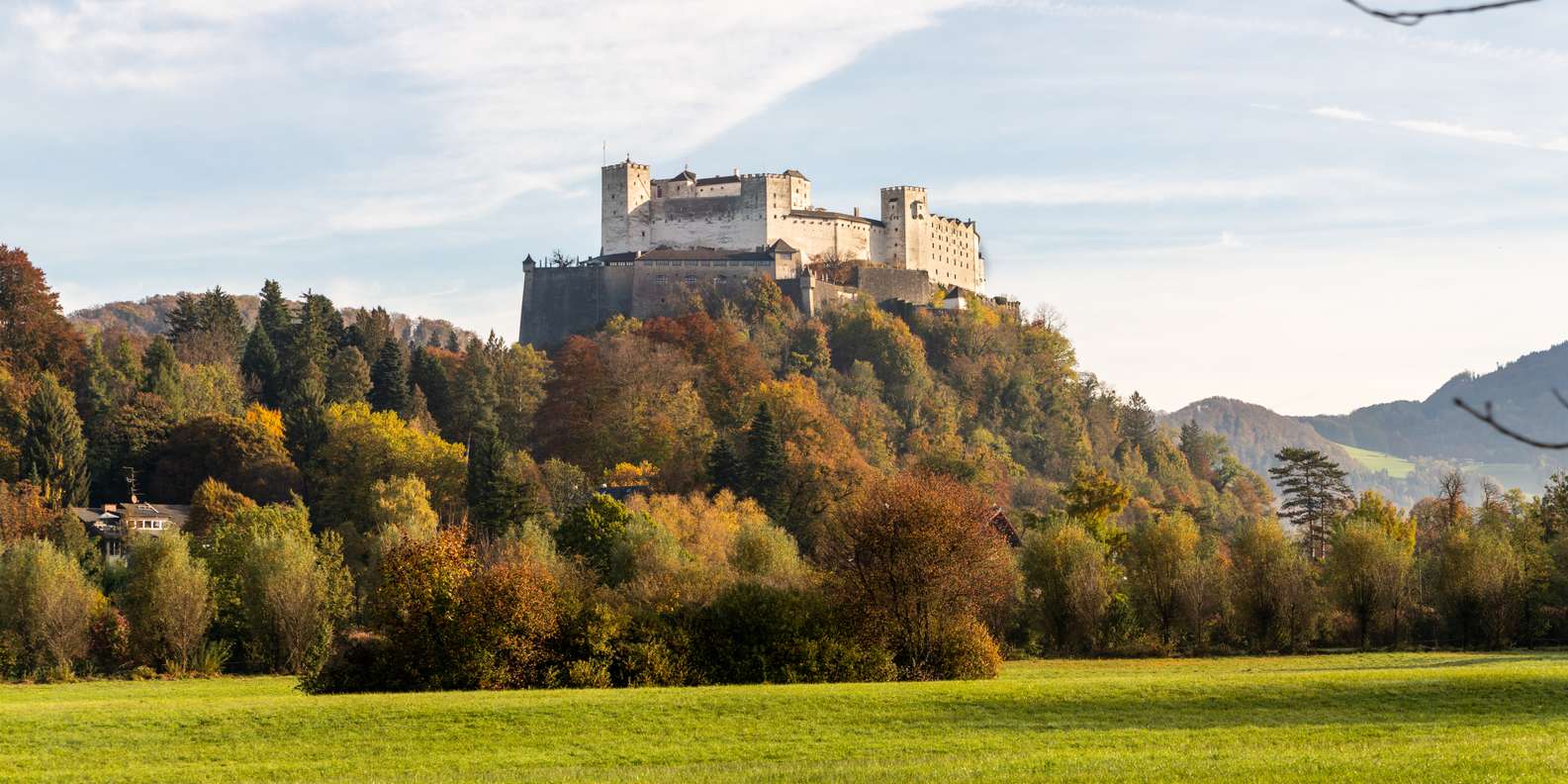
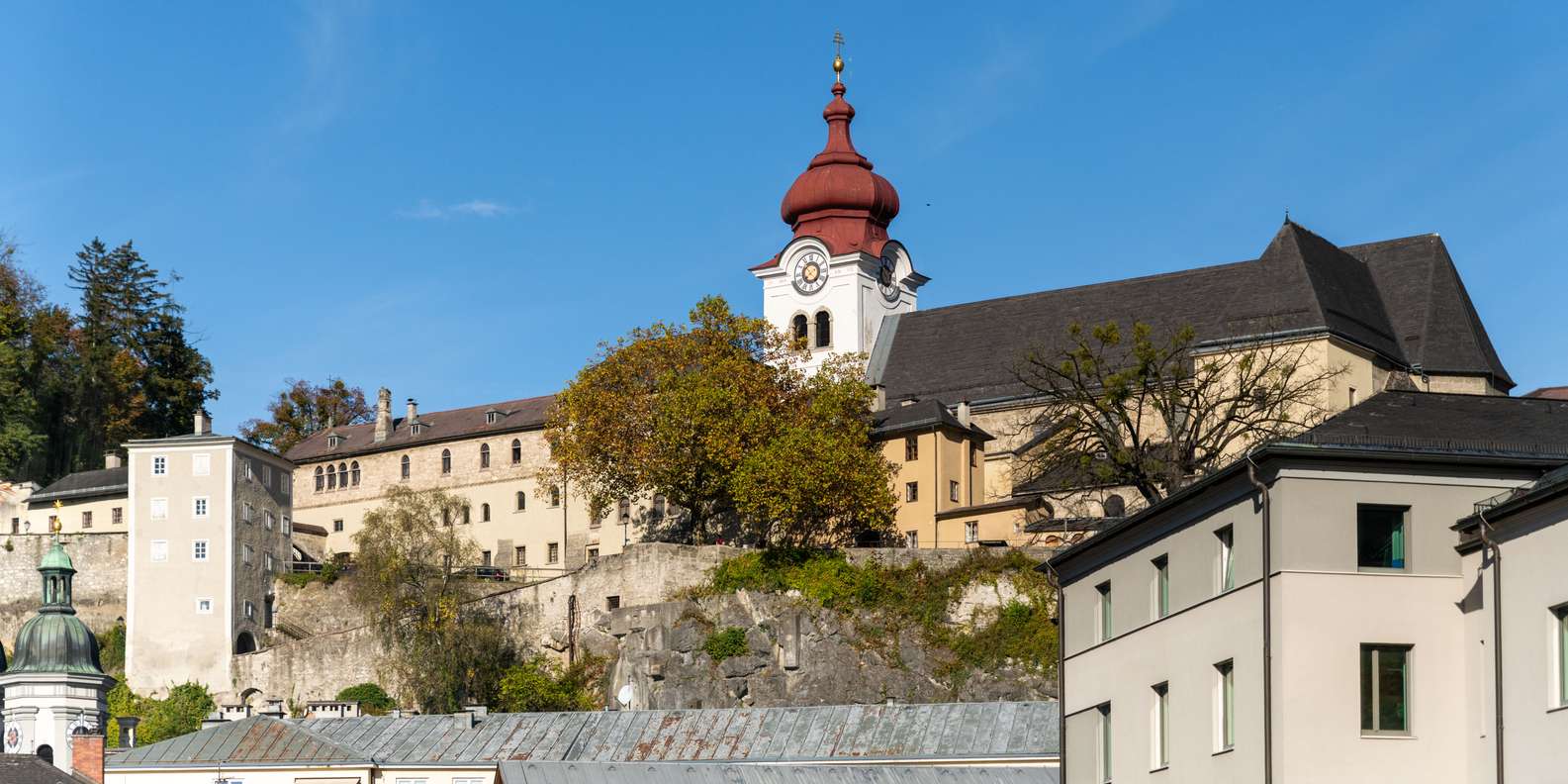
One location earns an asterisk. Nonnberg Abbey, perched above the old town, is the real Benedictine convent where the historical Maria was a novice, and it appears in the film — but only its exterior gates and cemetery were used. The interior abbey scenes were Hollywood sets. The deeper account of each site, including the ones the bus passes but doesn’t stop at, lives in our filming locations guide.
The real family behind the film
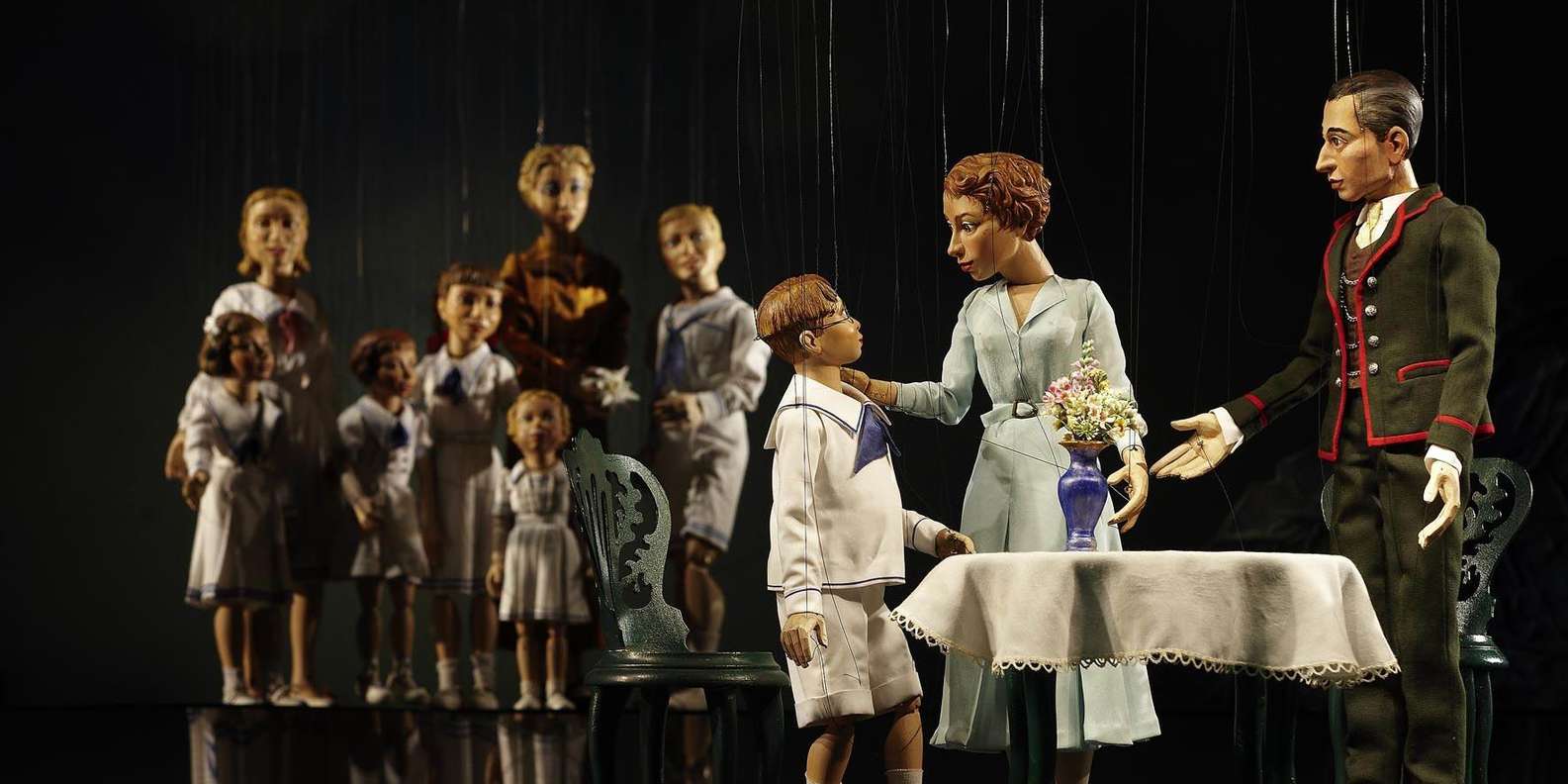
Part of the pleasure of visiting is learning how much the screenplay reshaped. The real von Trapp family was anchored by Georg von Trapp, a widowed and decorated naval officer, and Maria Augusta Kutschera, who arrived not as a governess to all the children but as a tutor for one daughter recovering from illness. The film paints Georg as cold and severe; relatives and biographers describe a far warmer man. And the dramatic climax — the family scaling the Alps to freedom — never happened. In 1938, after the Anschluss folded Austria into Nazi Germany, the von Trapps simply boarded a train and left for Italy, then onward to the United States, where they built a career as touring singers. The two Salzburg properties tied to that story, the film villa and the family’s actual home, are untangled in our von Trapp house guide.
What the classic tour covers
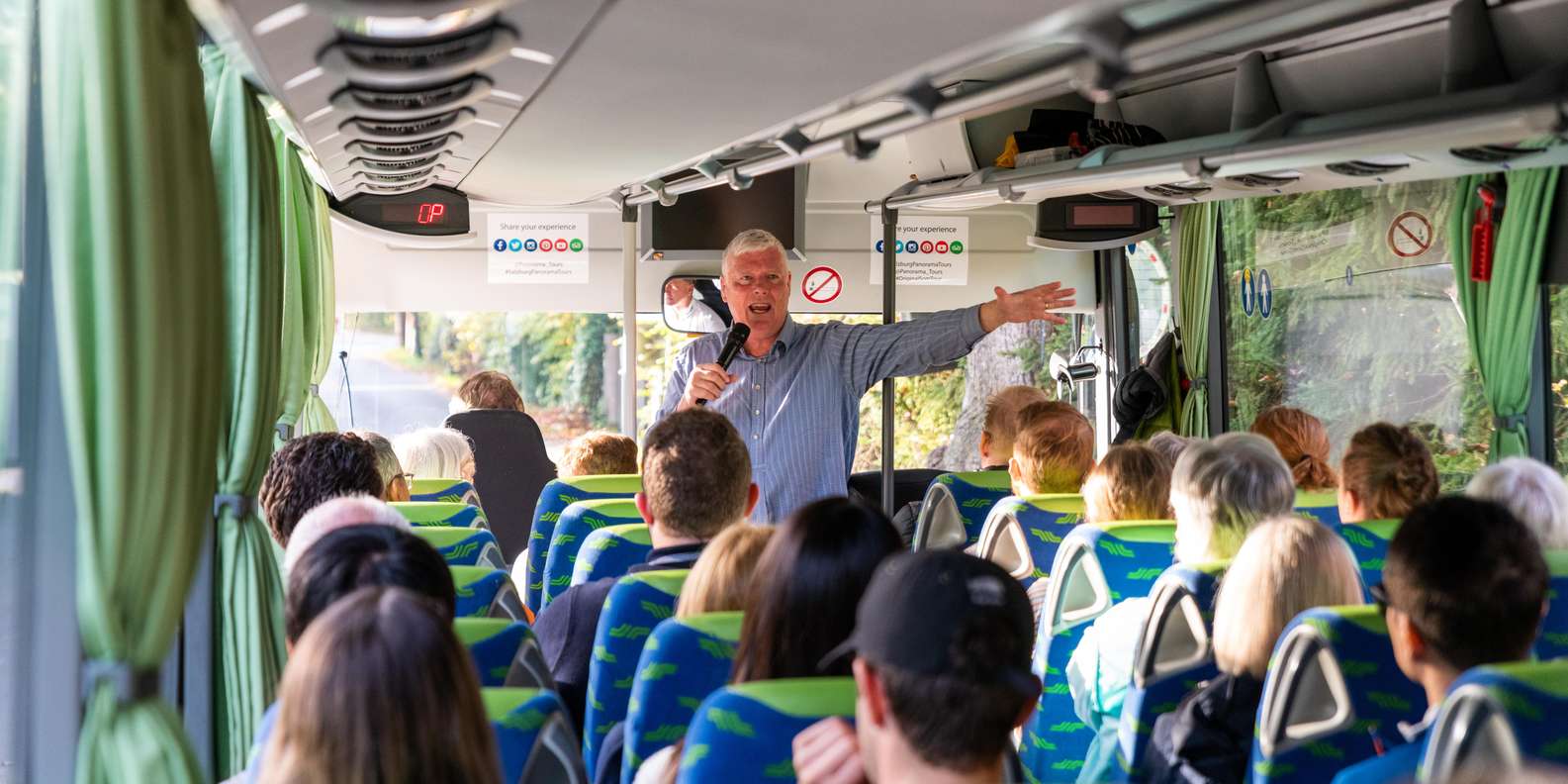
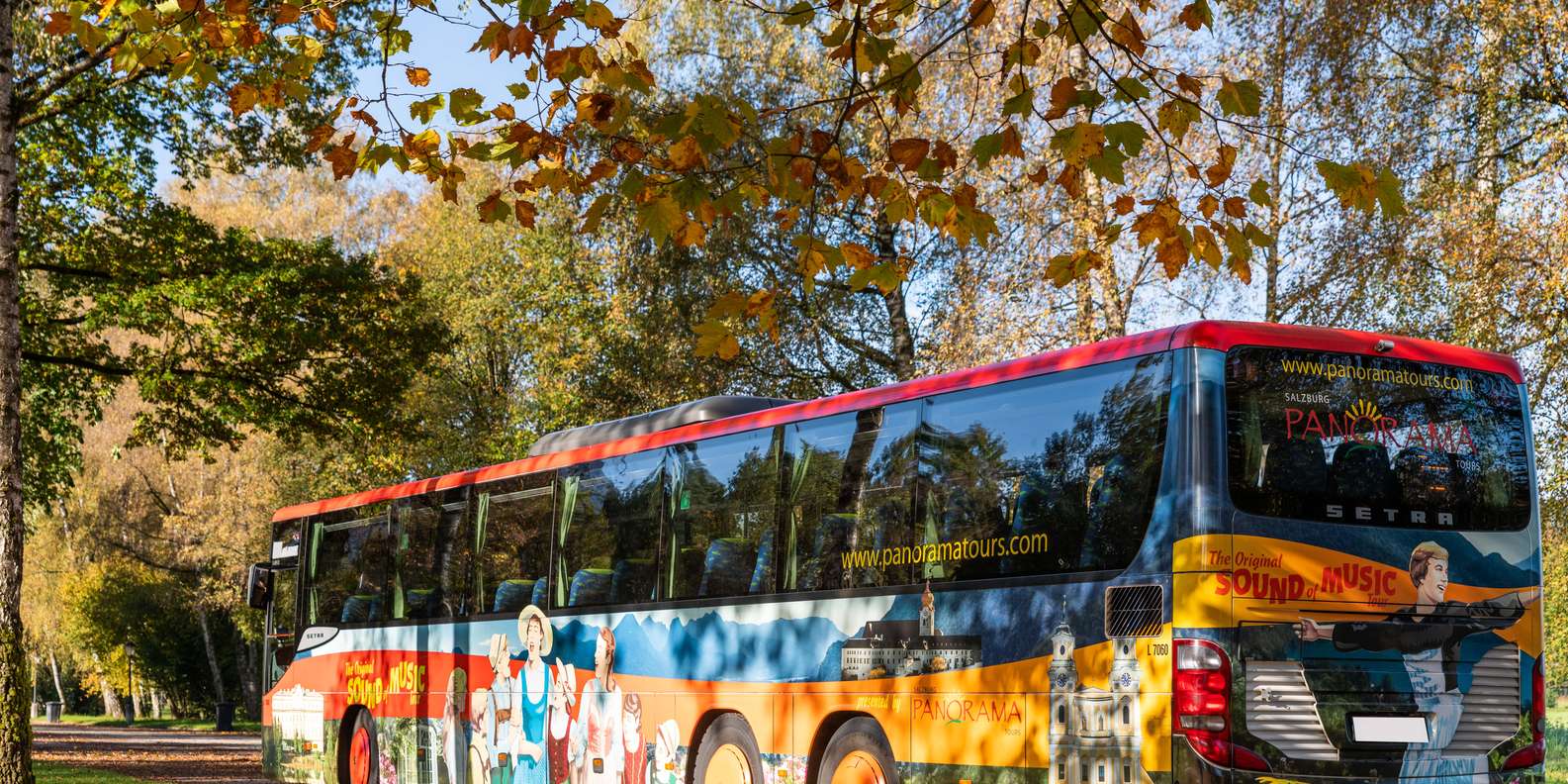
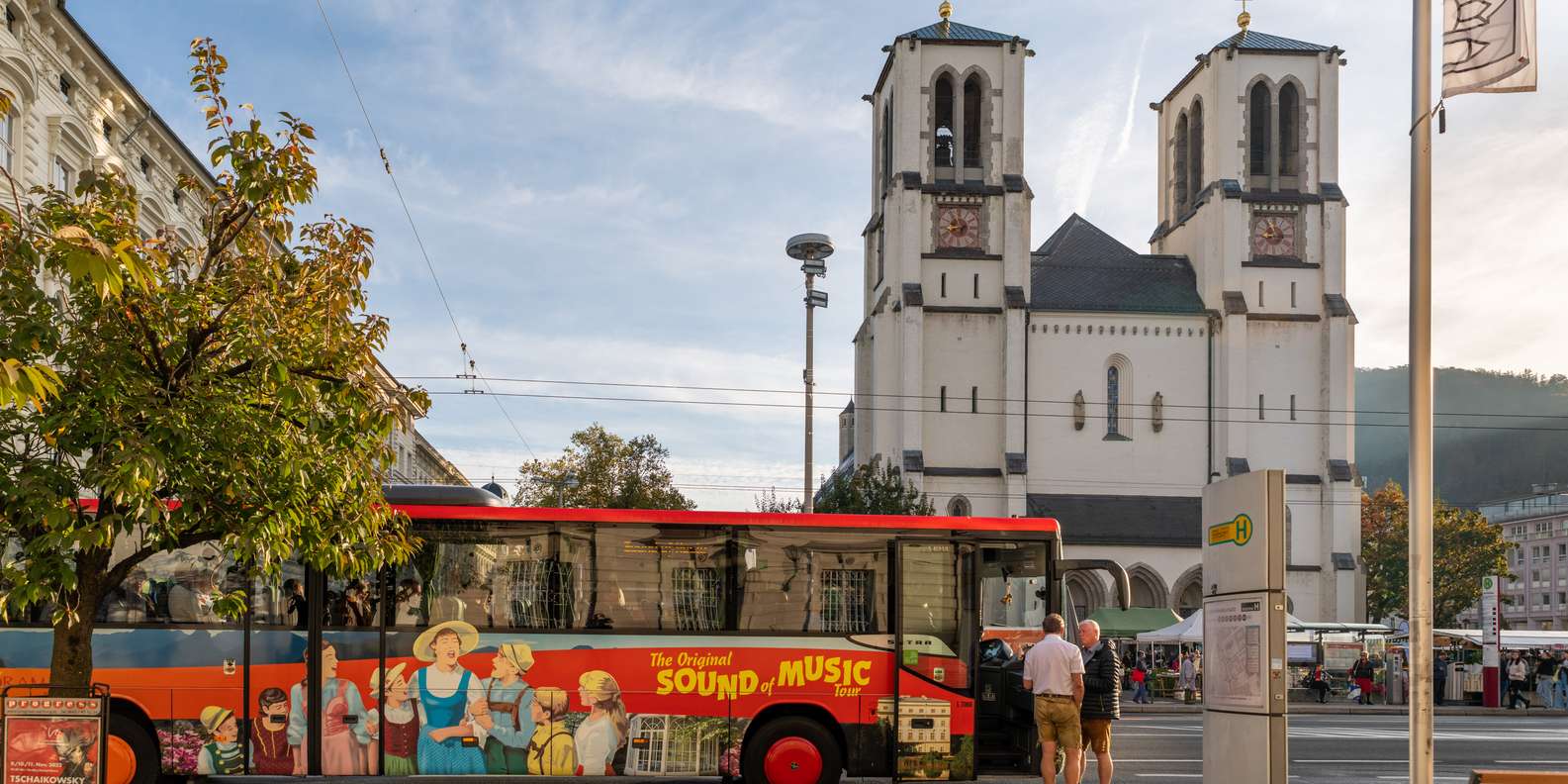
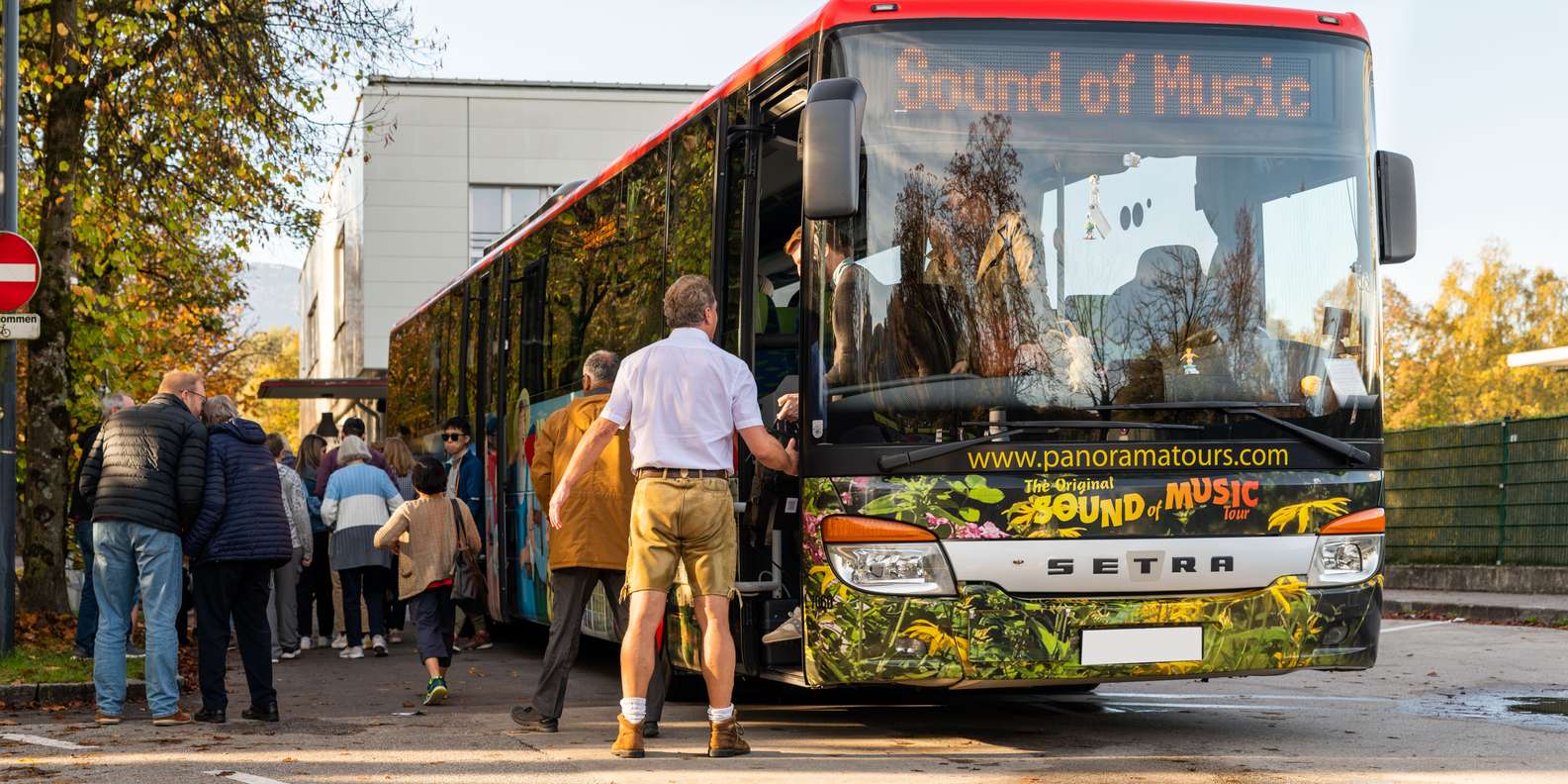
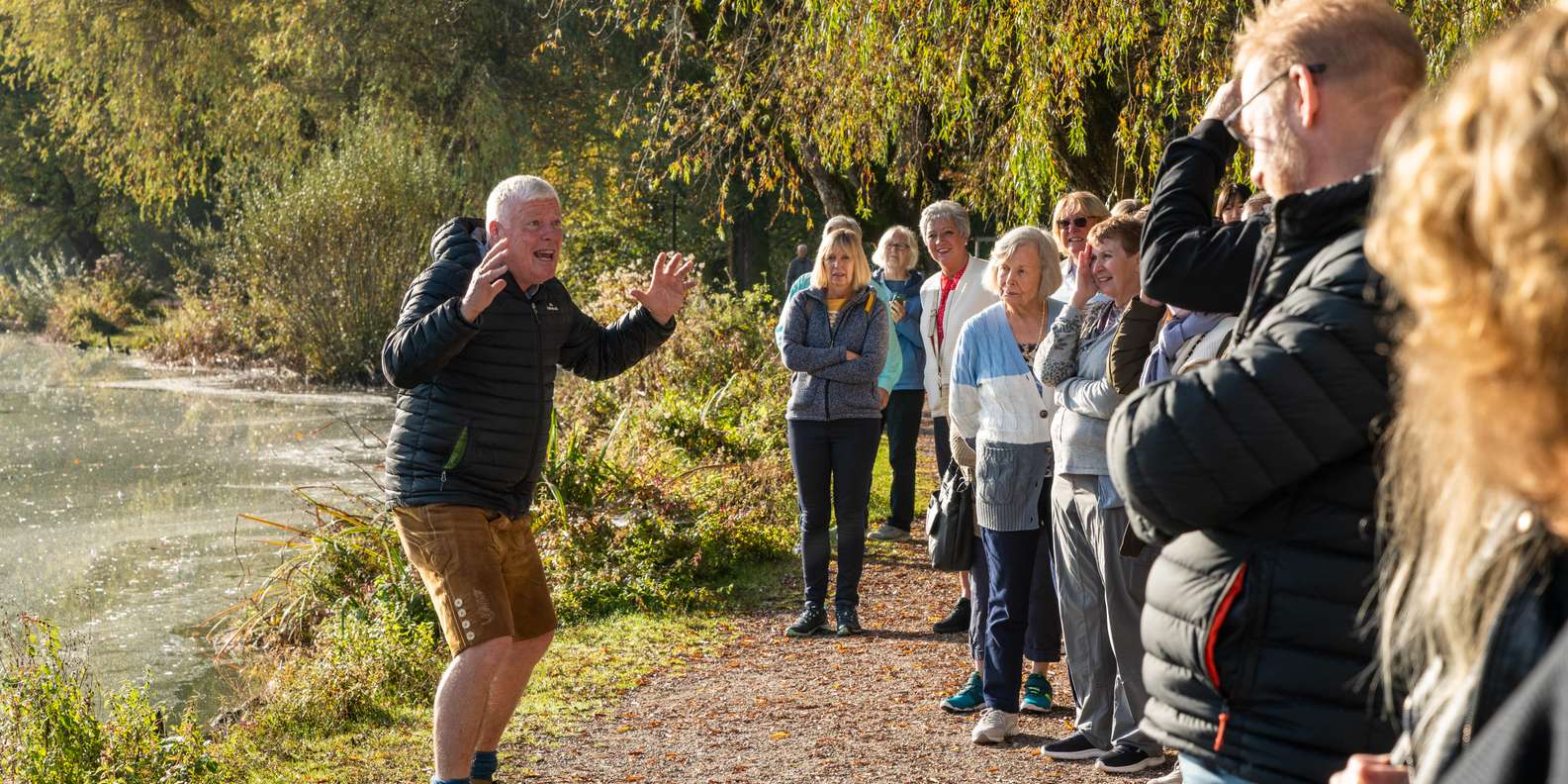
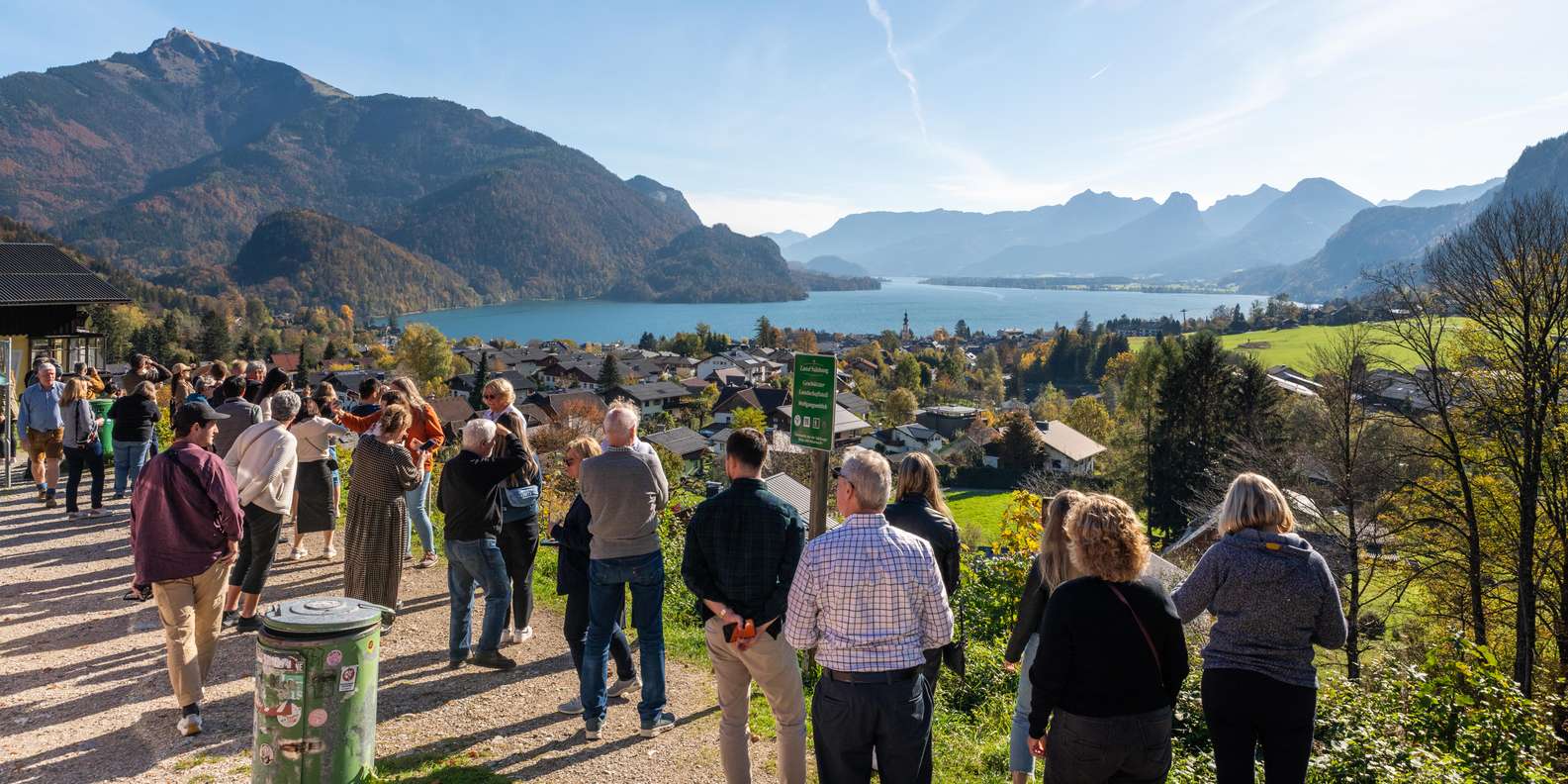
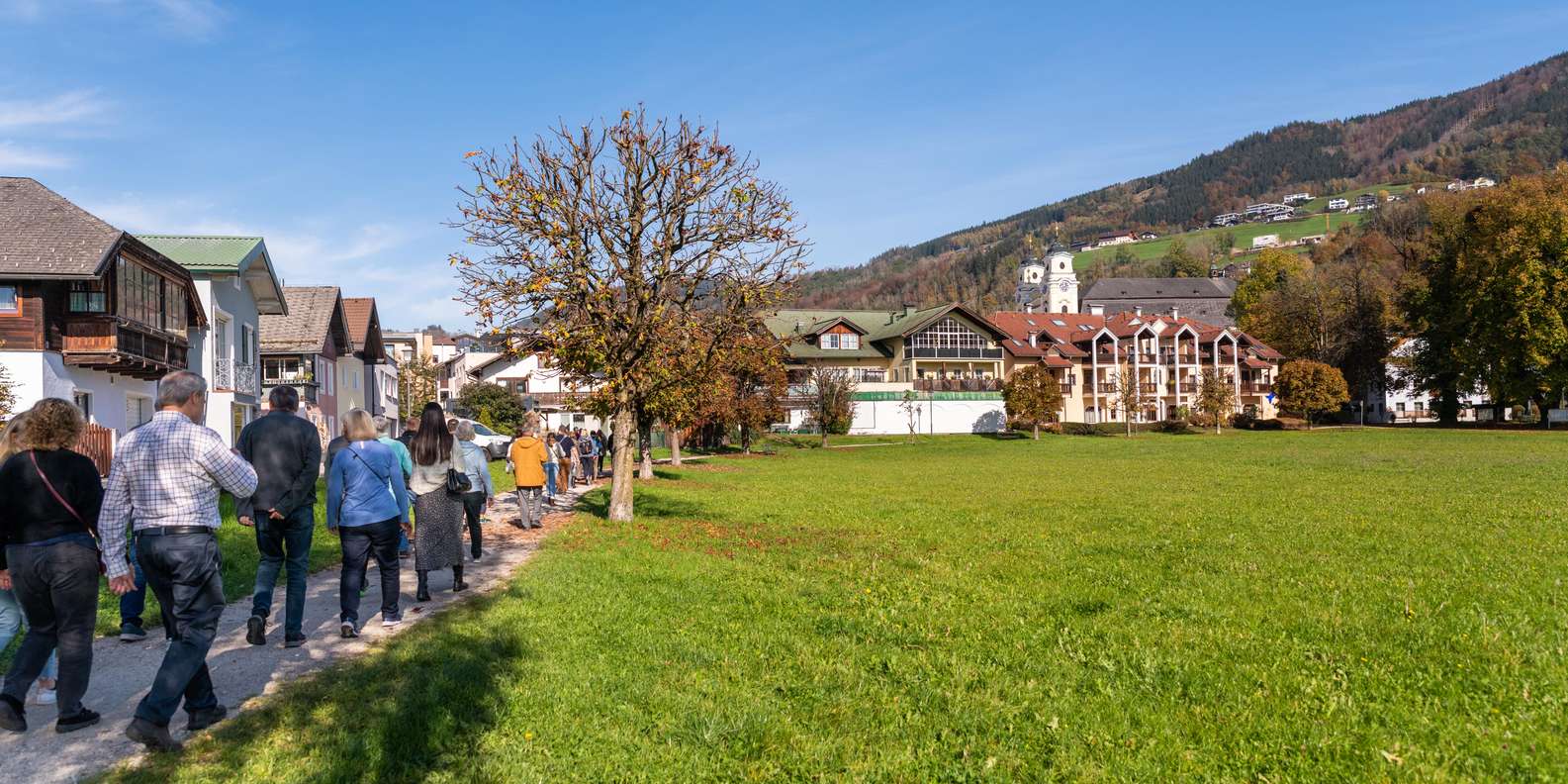
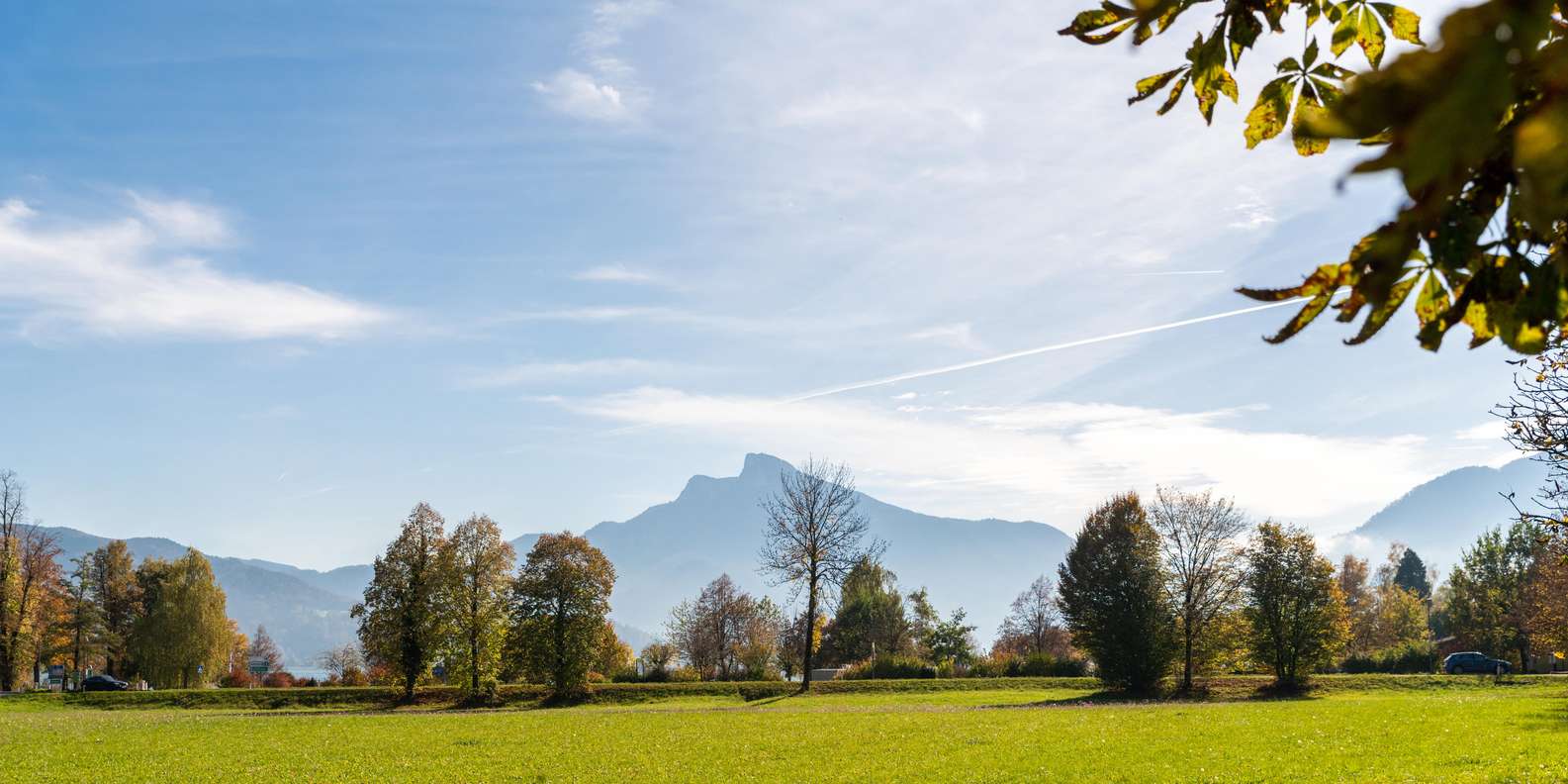
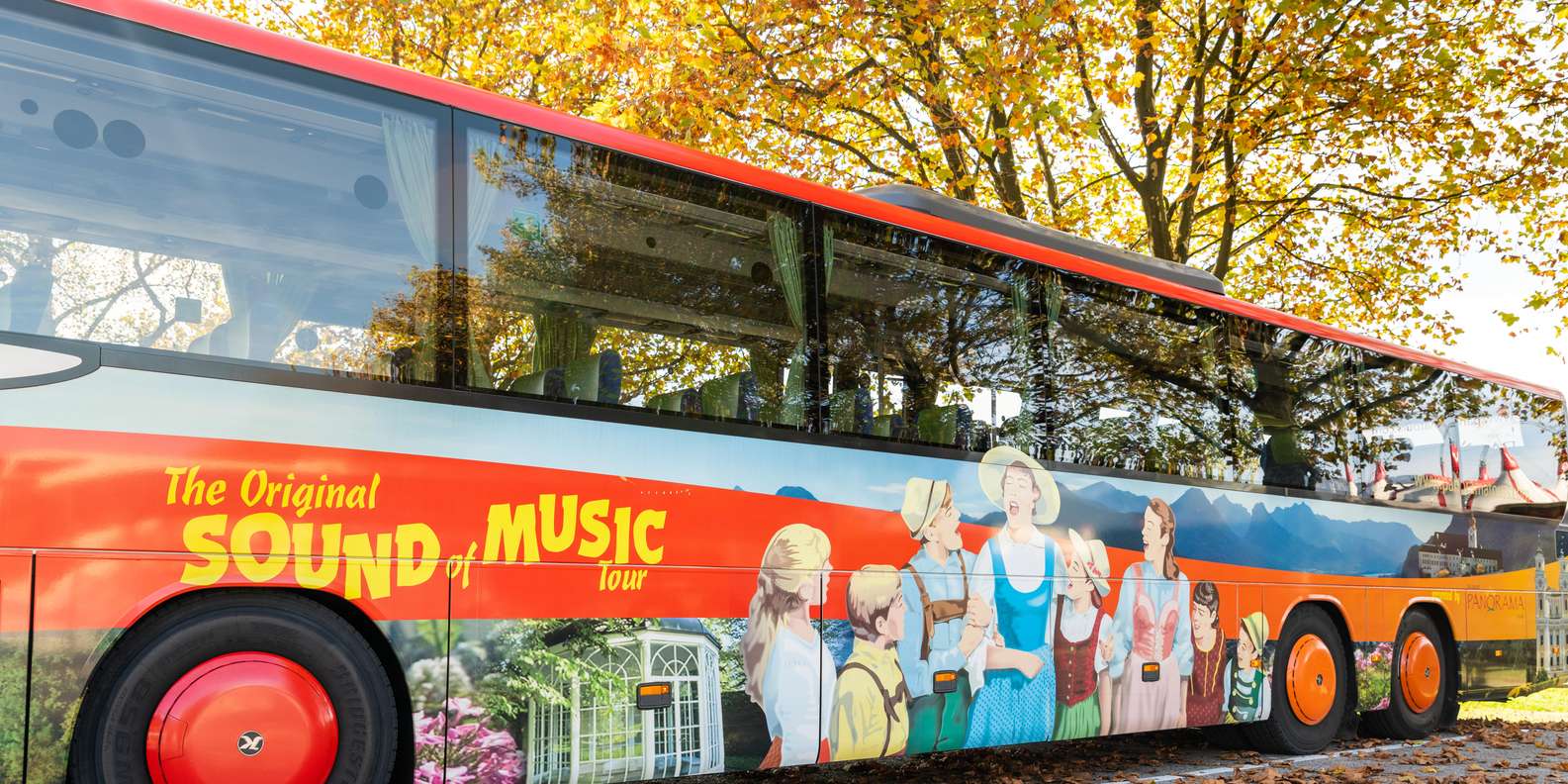
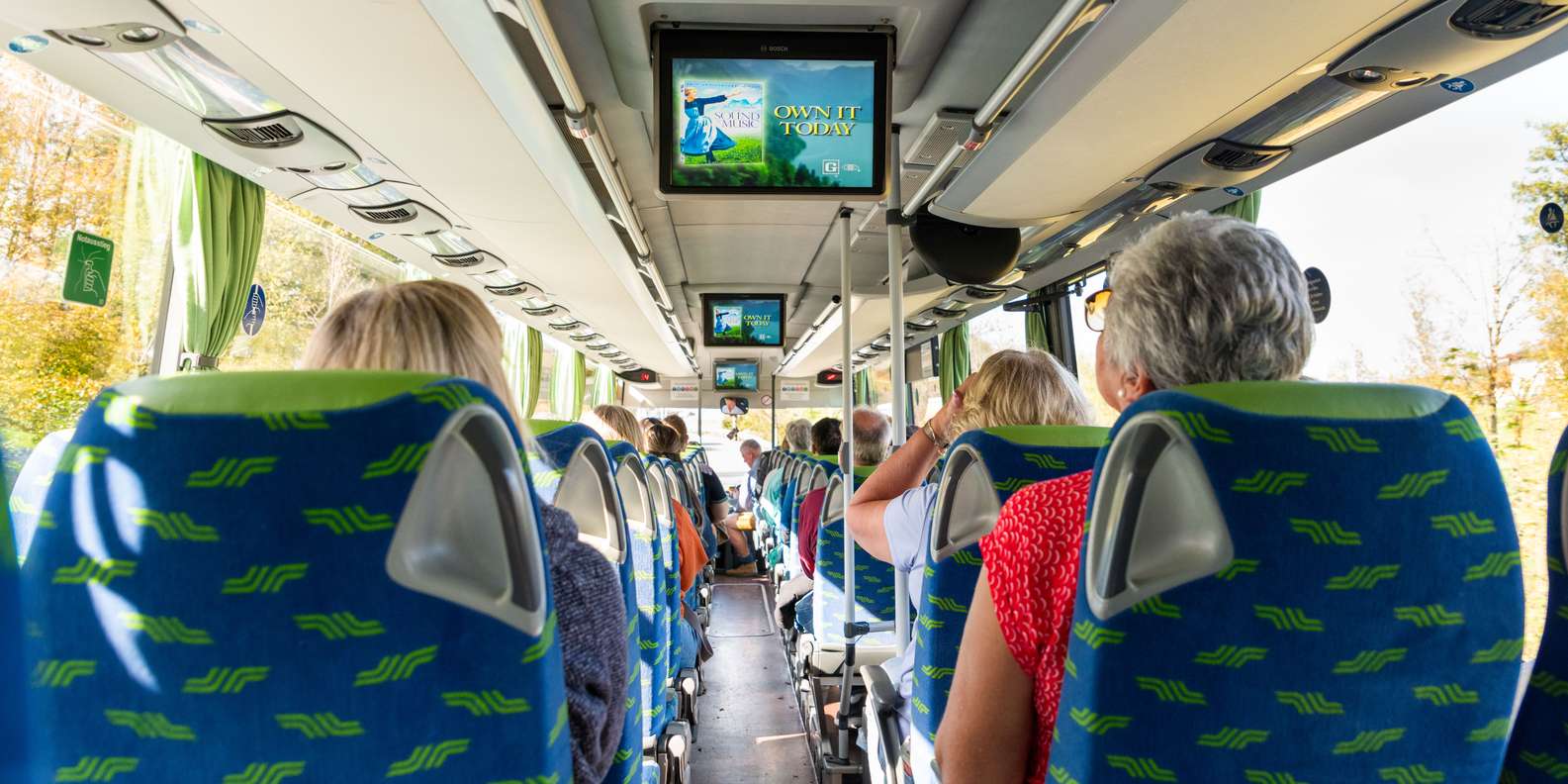
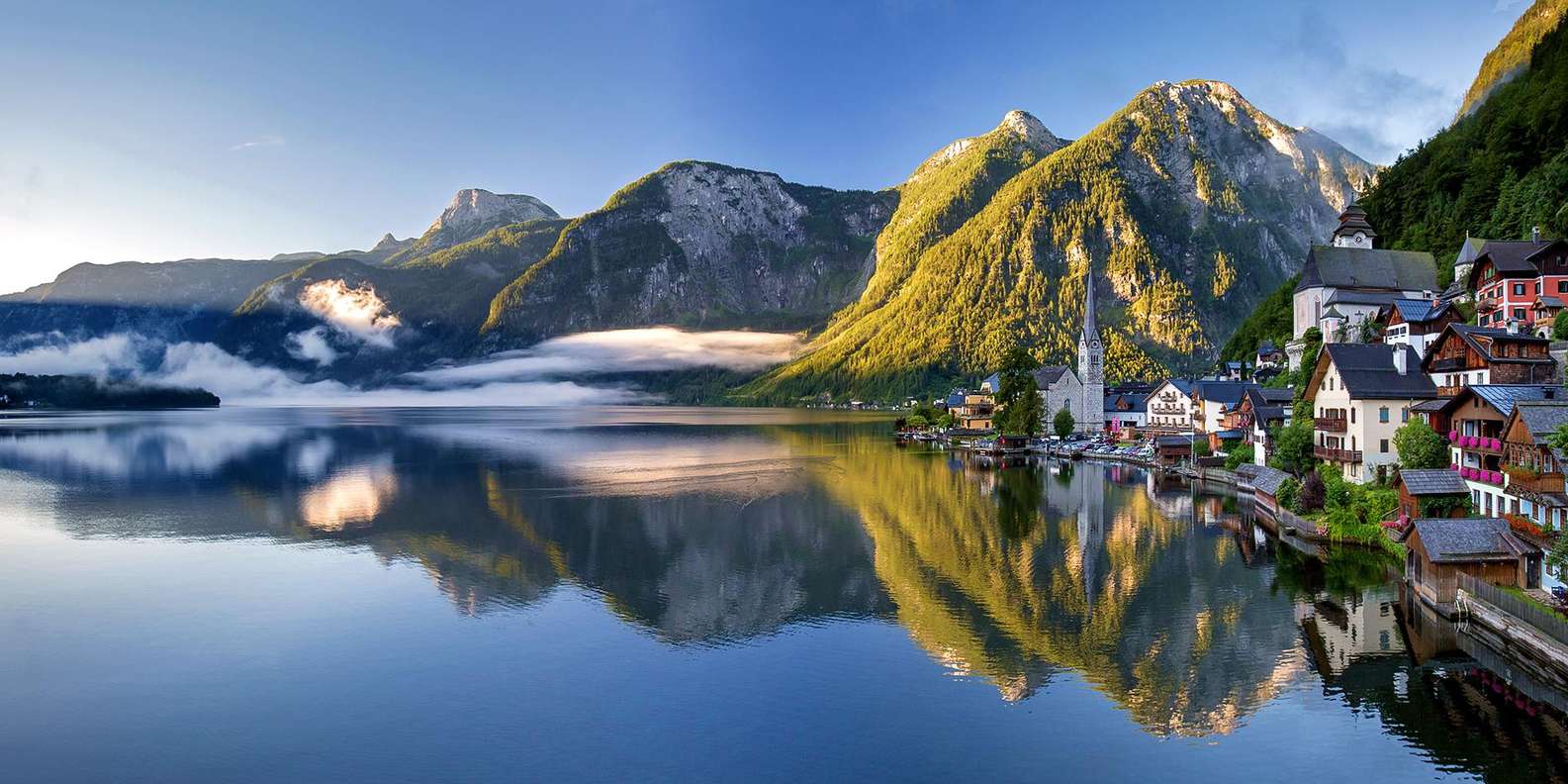
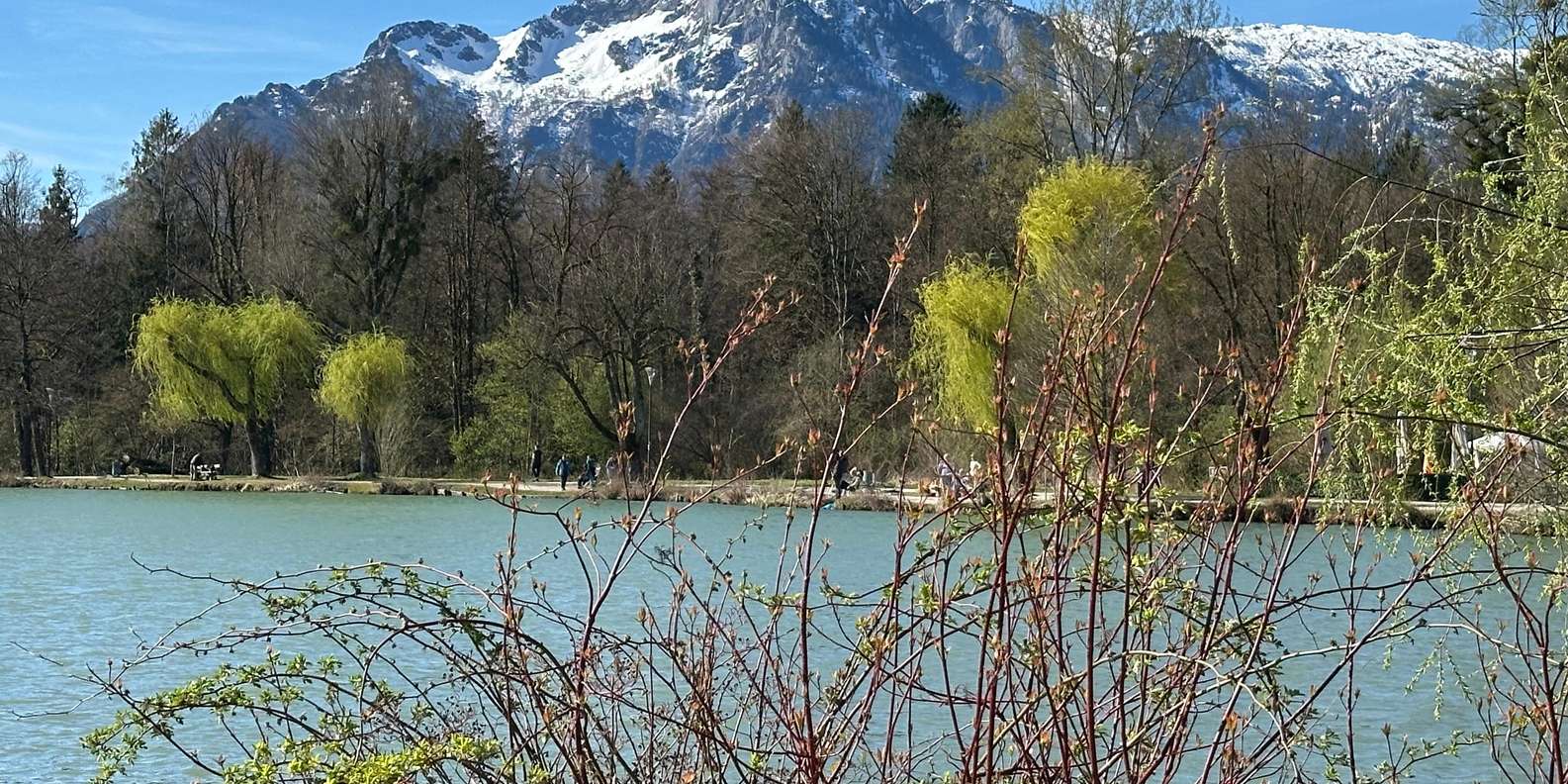
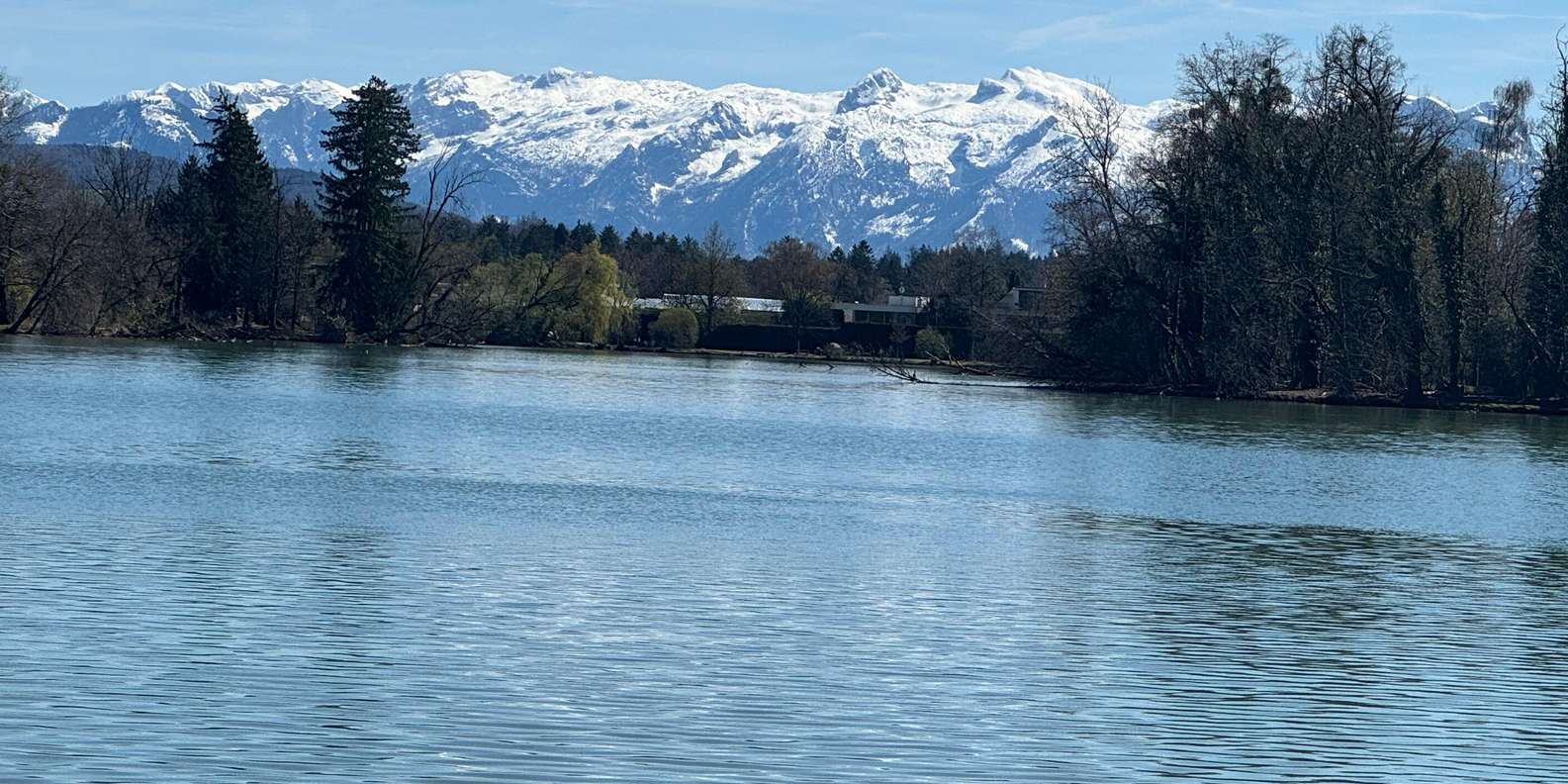
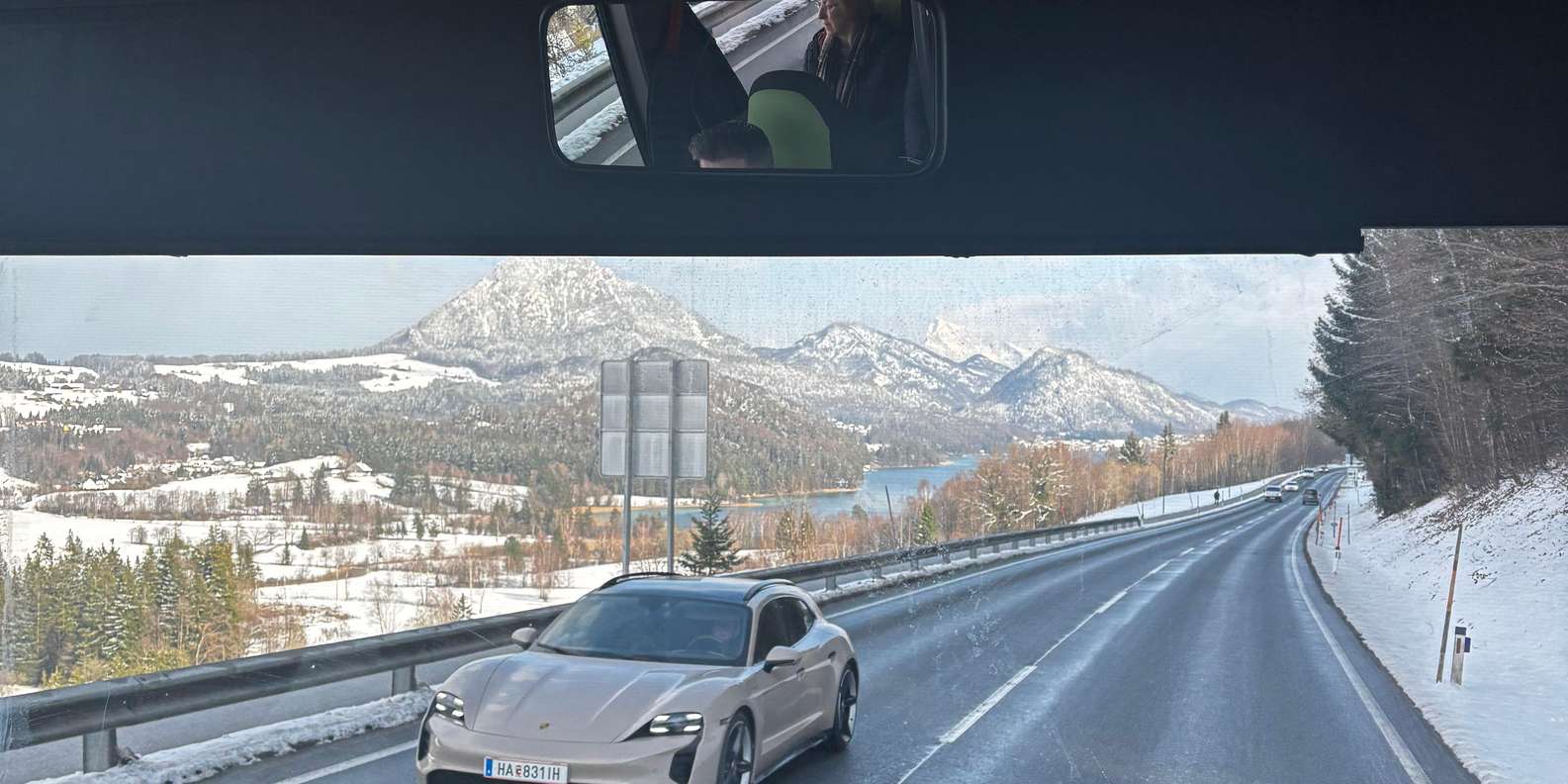
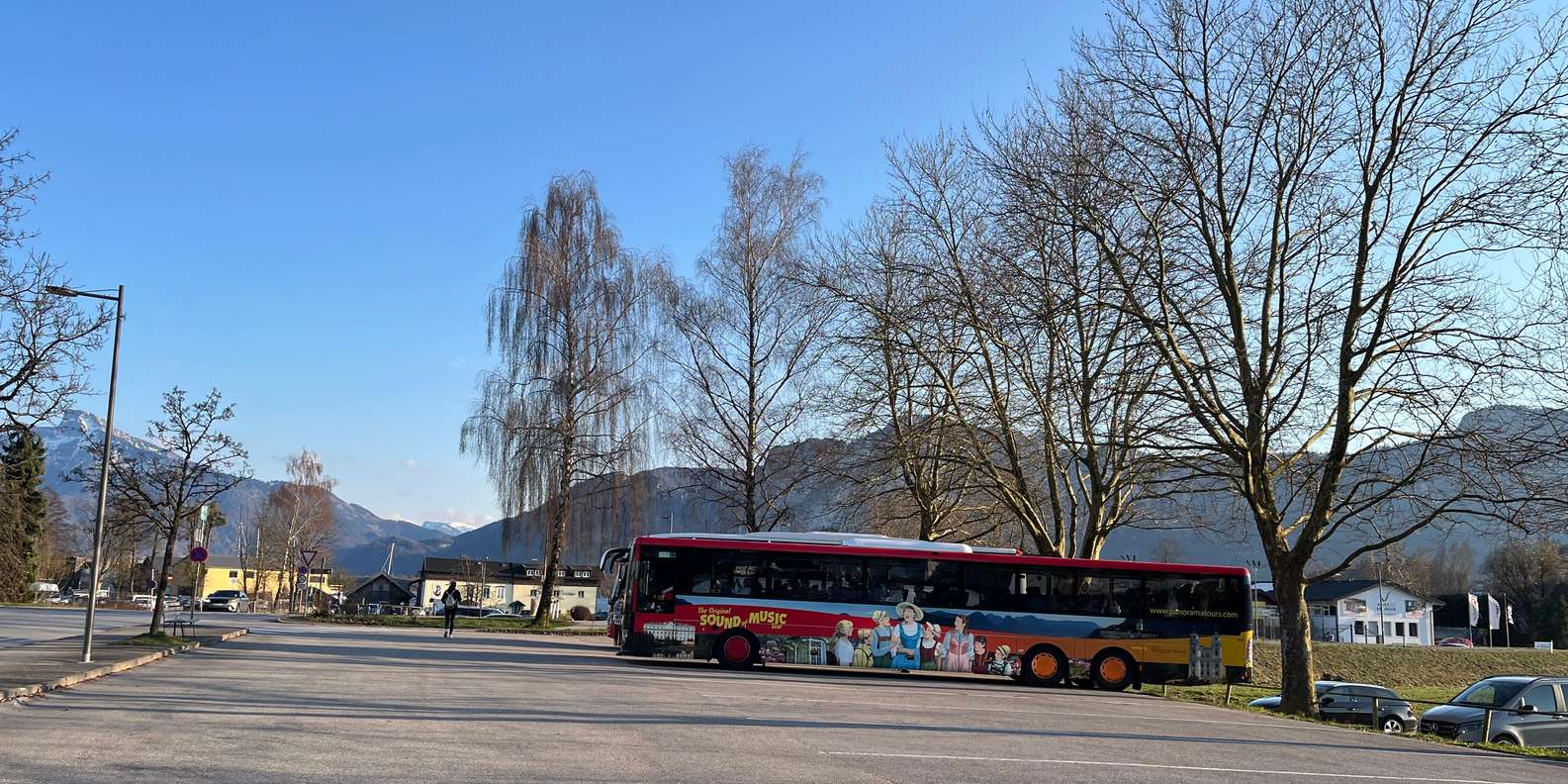
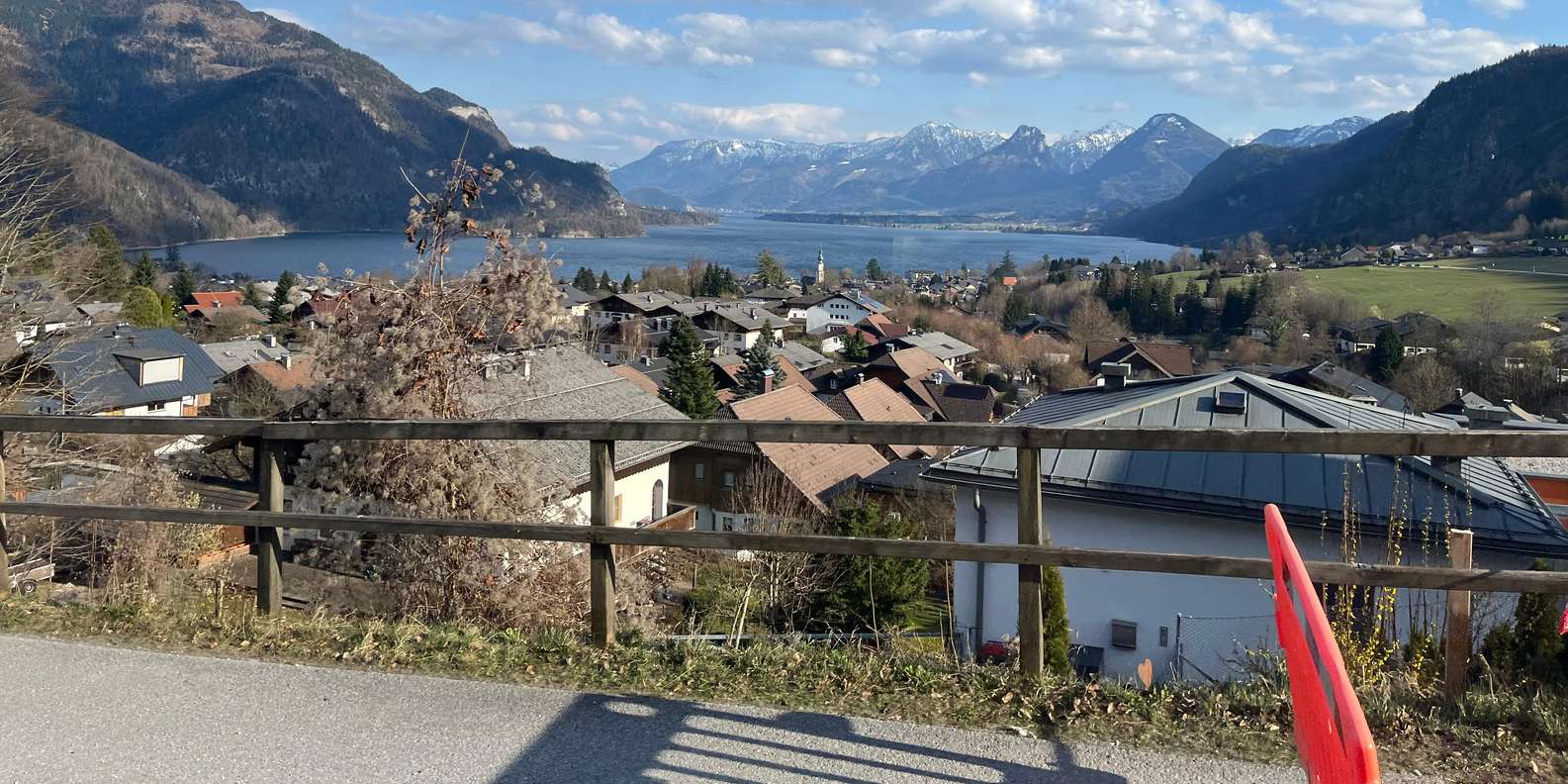
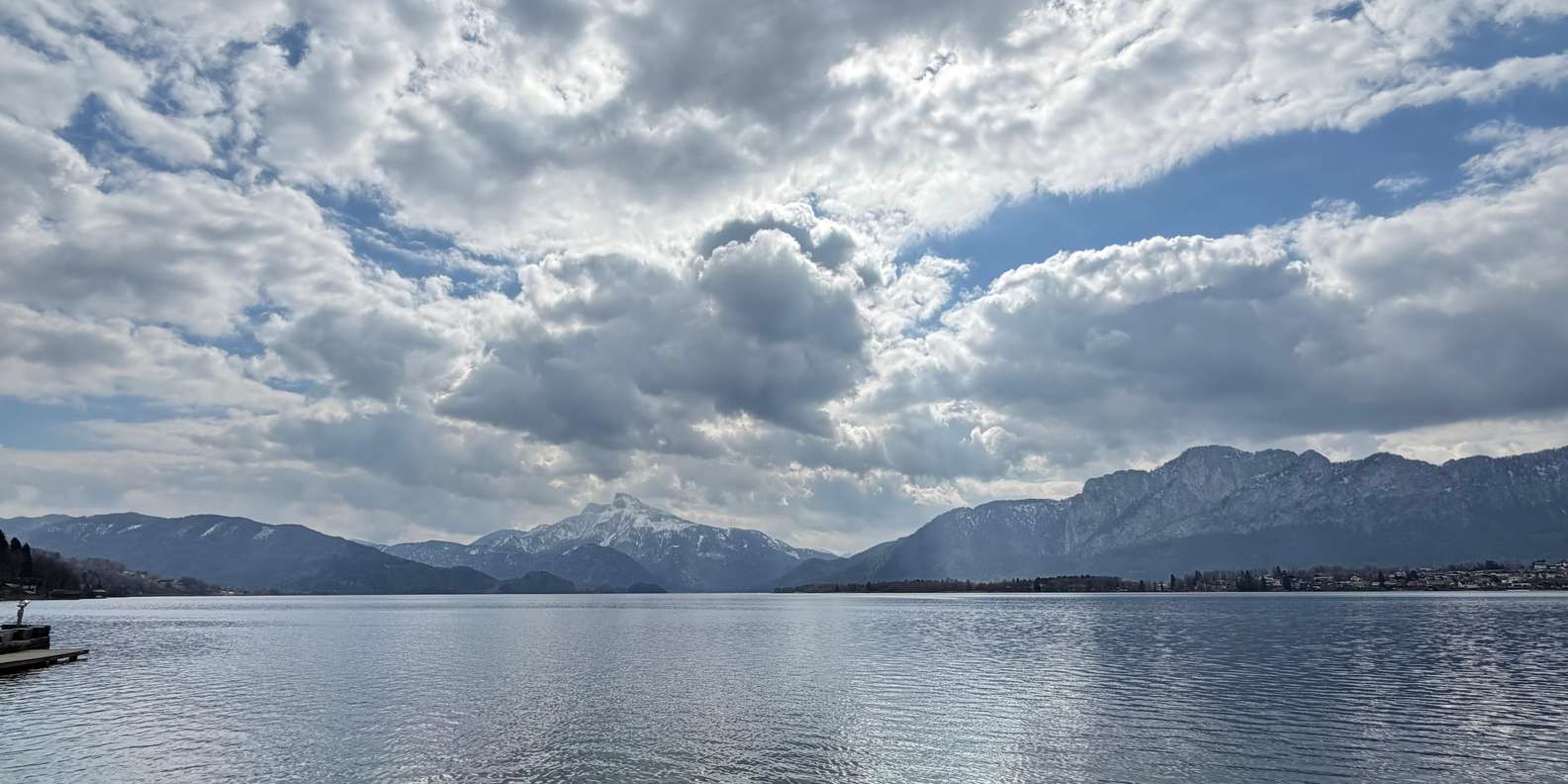
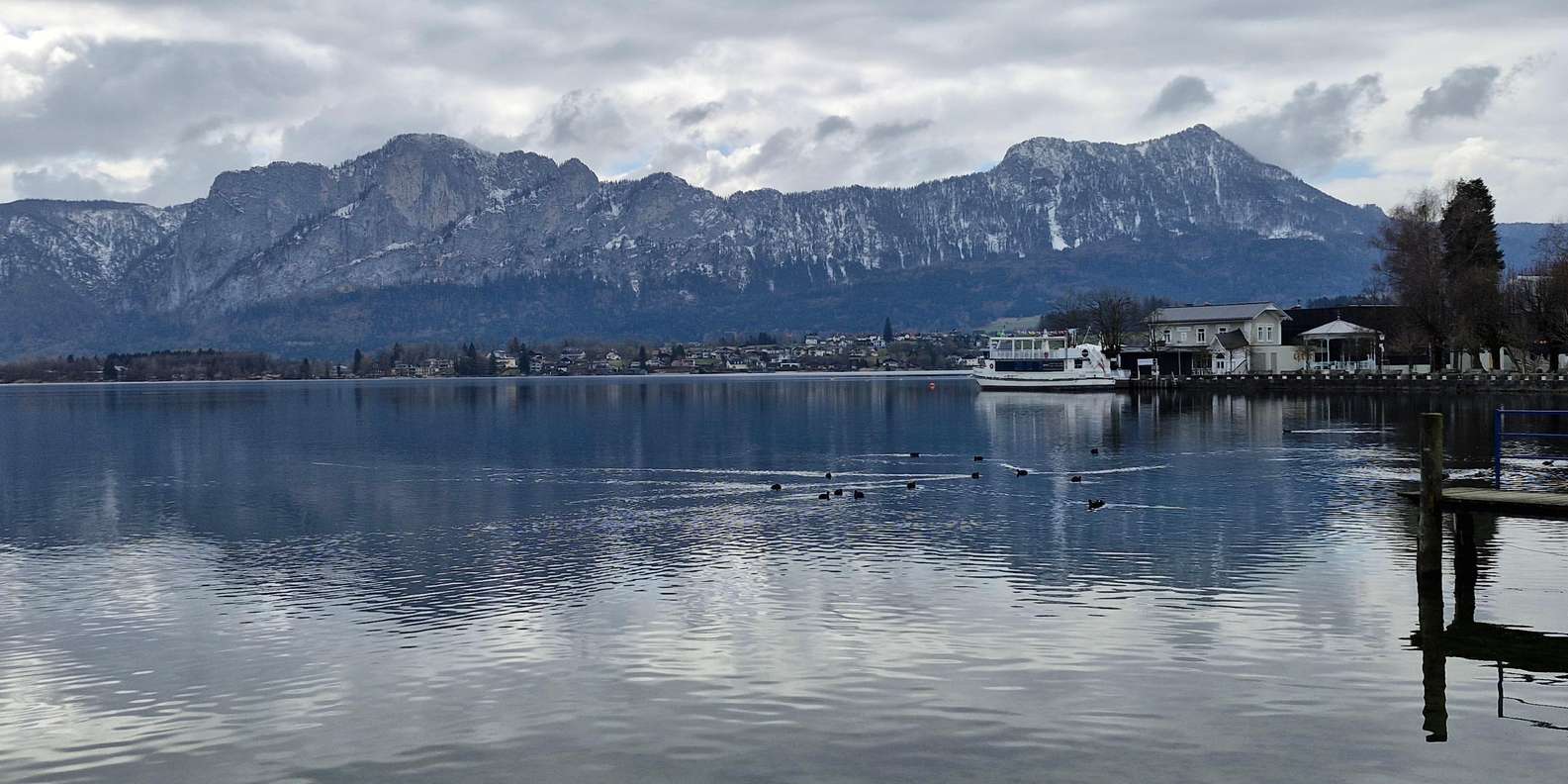
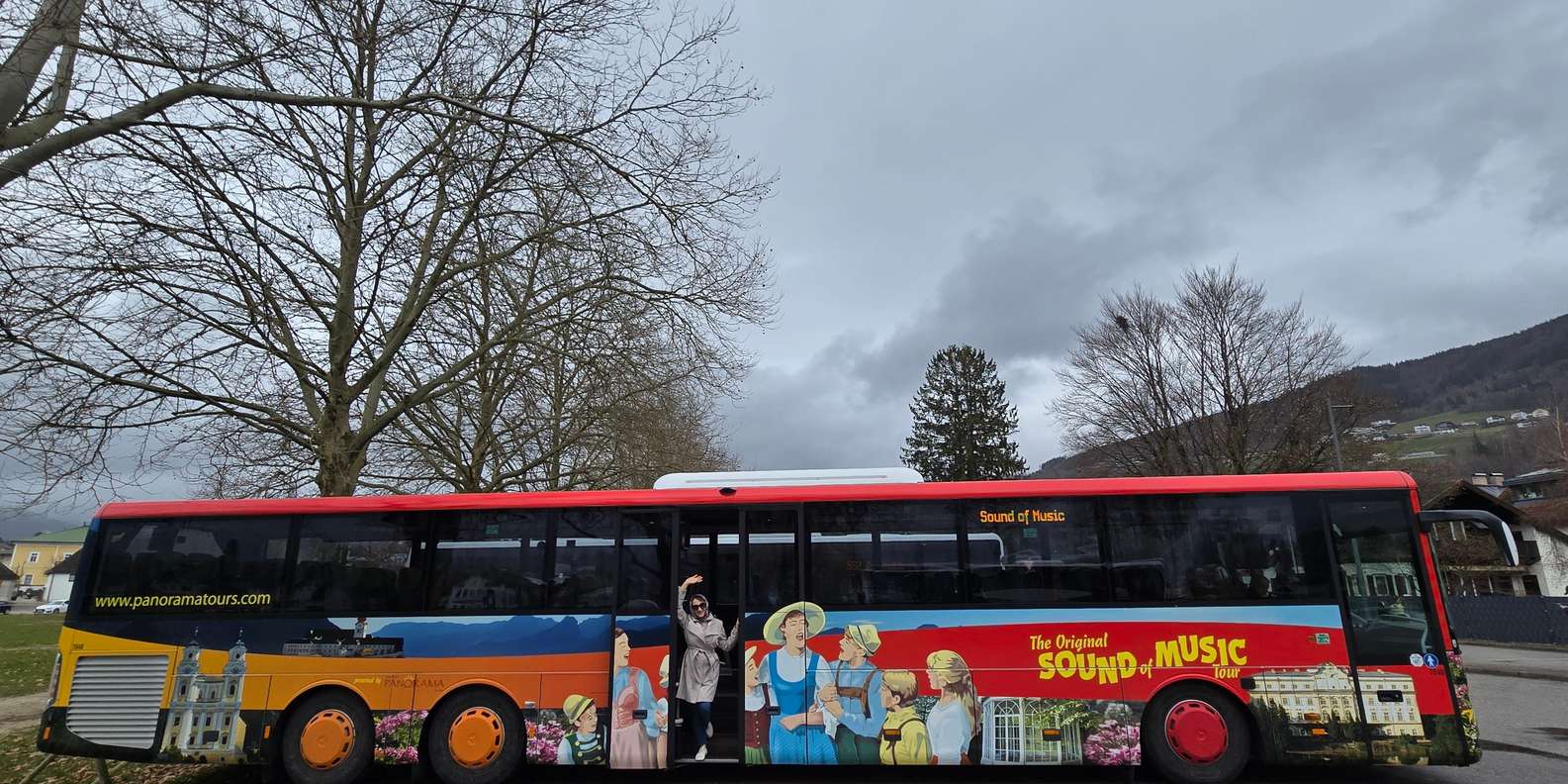
The flagship experience — the Original Sound of Music Tour, the one rated 4.8 out of 5 by more than 5,000 guests — is a roughly four-hour bus circuit. It threads together the city locations above, then drives out into the Salzkammergut lake district, the green, mirror-lake country south and east of Salzburg that bookends the film’s opening and wedding sequences. A guide narrates the route, points out the splice between Frohnburg and Leopoldskron, and plays the soundtrack as you go. Most tours include a stop in Mondsee with time to see the wedding basilica and grab a coffee by the lake. It’s a comfortable, low-effort way to see locations that are otherwise scattered across a wide area — Mondsee alone is half an hour from the city — and that convenience is the reason most first-time visitors book the bus tour rather than trying to map and reach the sites themselves on foot or by public transport. Prefer your own guide and a flexible pace? Compare the private Sound of Music tour. With a full day to spare you can pair the film locations with the lakeside UNESCO village on a Sound of Music and Hallstatt day trip — and if you’re based in the capital, here’s the reality of doing the Sound of Music tour from Vienna.
A city that was singing long before 1965
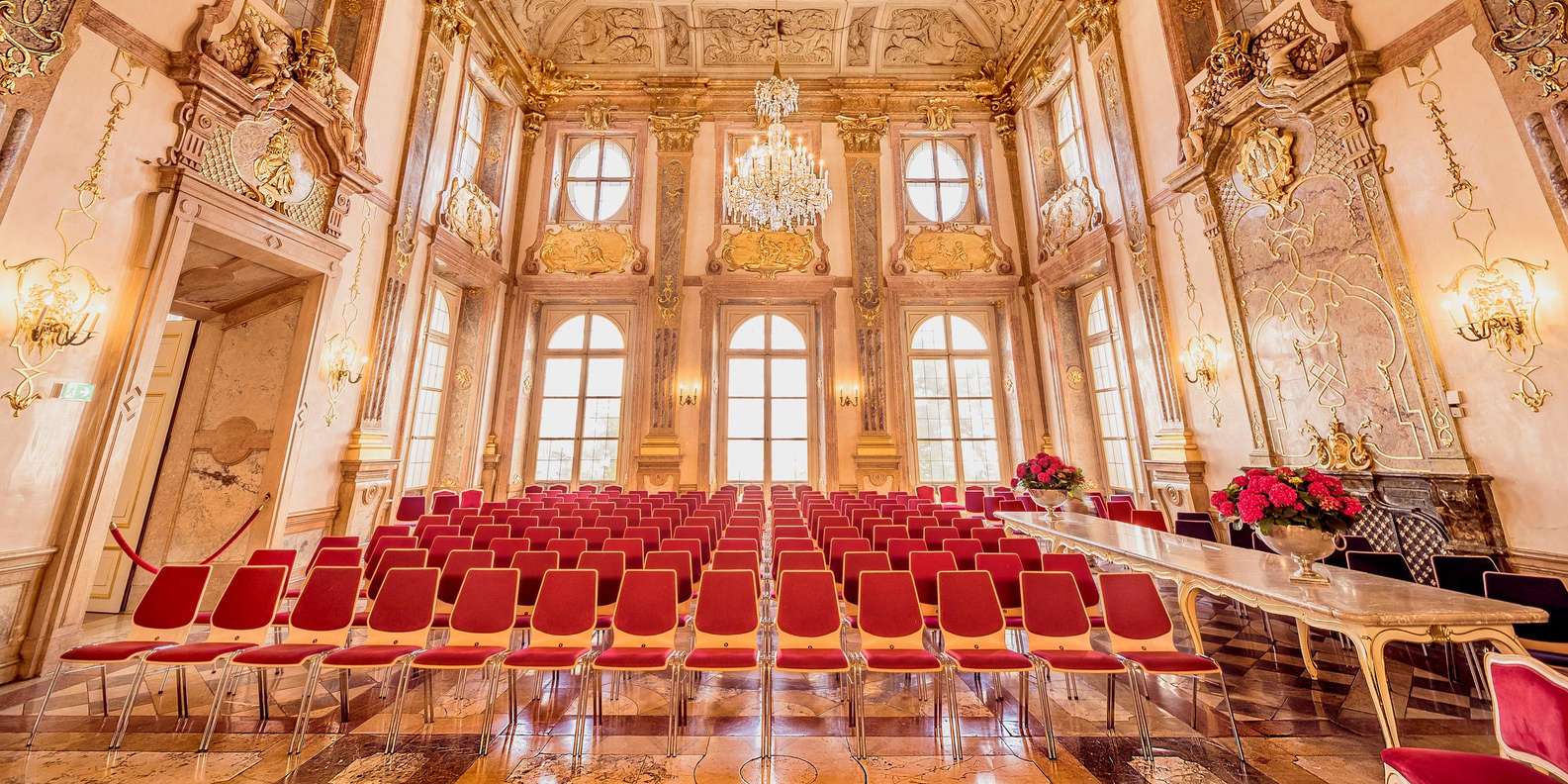
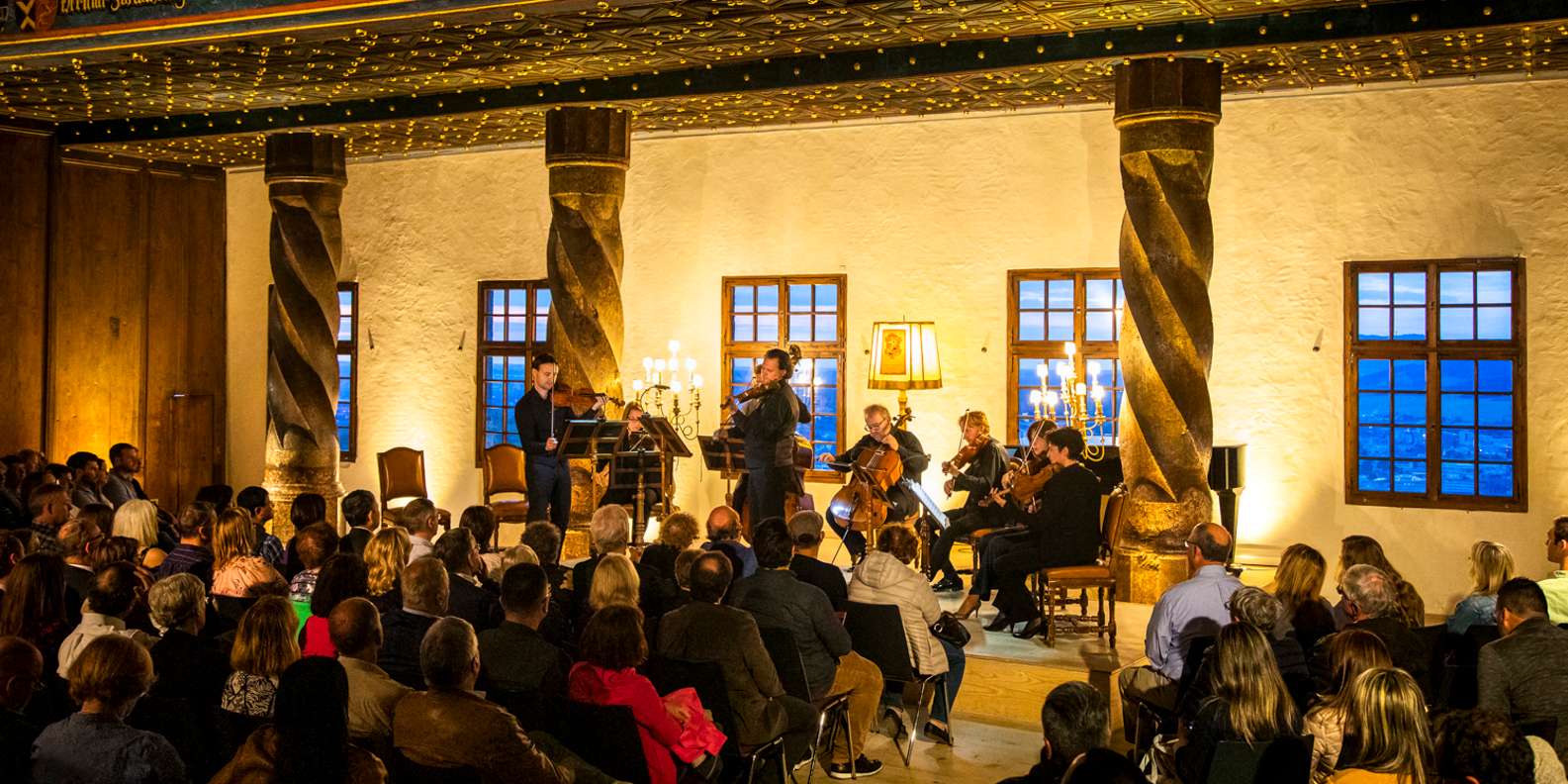
It’s worth remembering that Salzburg’s musical fame predates Julie Andrews by two centuries. Wolfgang Amadeus Mozart was born here on 27 January 1756, in the tall yellow house at Getreidegasse 9 that is now a museum. The city he was born in still trades on that legacy: evening Mozart concerts in baroque halls and palace dining rooms are among the most popular cultural bookings in town, and they pair naturally with a daytime film tour for anyone building a music-themed visit. If a candlelit evening of his music appeals, our Mozart dinner concert in Salzburg guide compares the Hohensalzburg Fortress and Mirabell Palace options. Between the boy composer and the singing family who fled it, Salzburg has spent 250 years being a city defined by song — and a music tour is simply the most direct way to hear it.
Ready to plan your day? Check availability for the original tour and the rest of Salzburg’s music experiences.